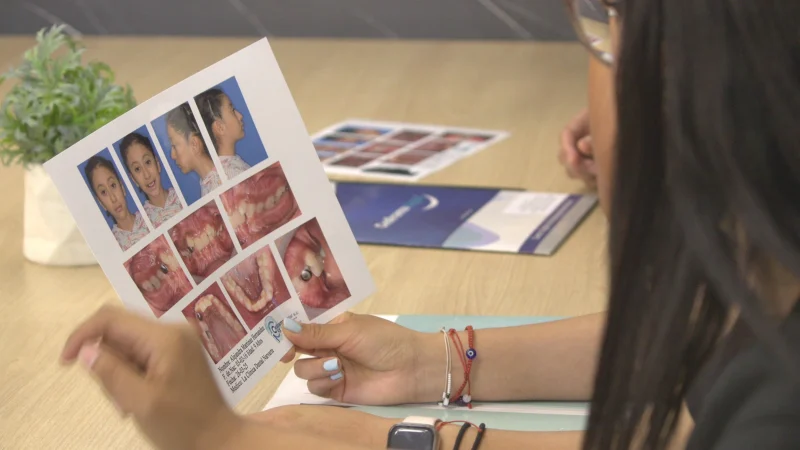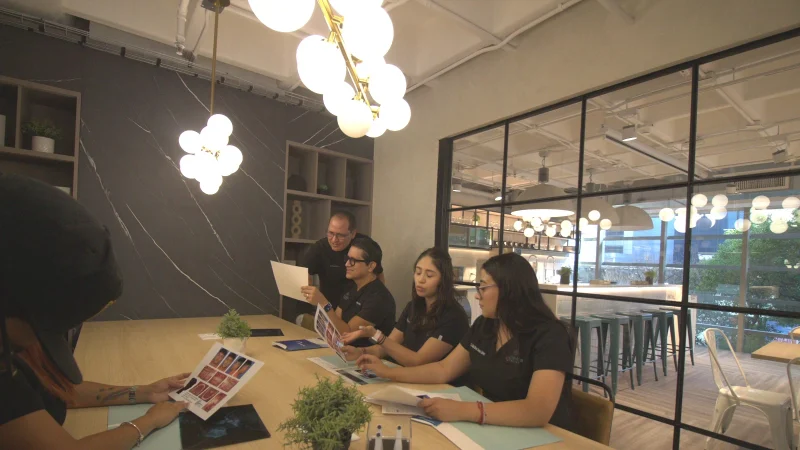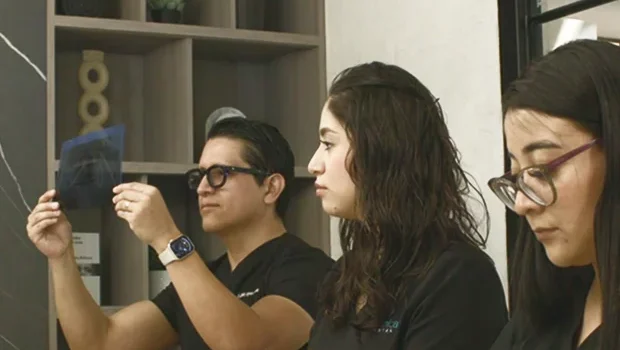
A long visit can help advance a lot of dental work (cleanings, resins, some root canals, various fillings or temporaries), but not all treatment can or should be done in a single day. Procedures that require healing, implant integration, orthodontics or lab work need biological time. It is safest to design a comprehensive plan in phases, where some parts are concentrated in a few visits and others are spread out over time.
What really is a "long visit" to the dentist?
When a patient asks, “Can I get everything done in one visit?”, he or she usually really wants to:
- Reduce the total number of visits.
- Take advantage of the fact that you are coming from far away or have little time.
- Avoid repeated anxiety (prefer to concentrate procedures).
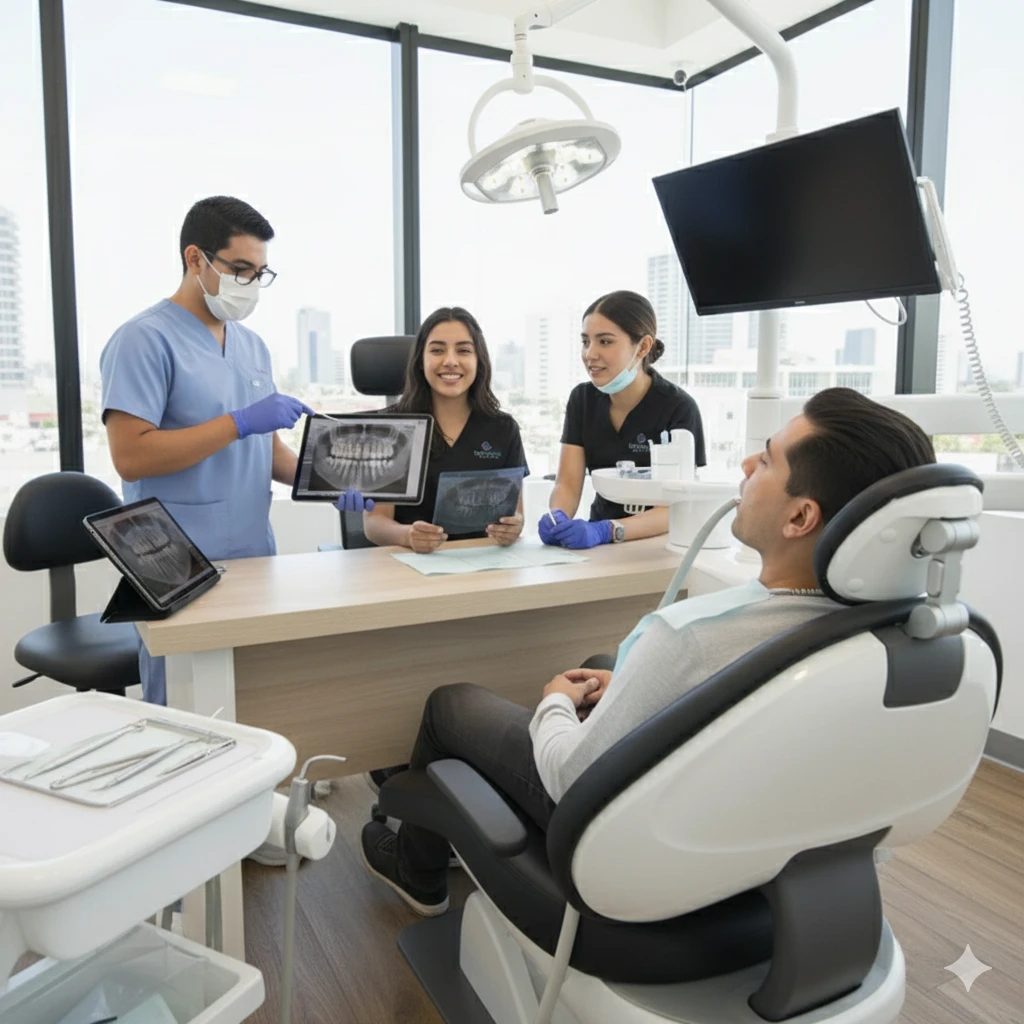
A long visit is an appointment lasting several hours, organized in advance, in which several procedures are scheduled on the same day with a single objective: to make as much progress as possible in a safe manner.
What can be concentrated in one (or a few) visits?
In many cases they can be grouped together:
- Comprehensive assessment + basic studies (medical history, review, photographs, initial radiographs).
- Prophylaxis (cleaning) and first basic periodontal maneuvers.
- Resins/multiple fillings if they are not too complex.
- Removal of caries and placement of provisionals in several pieces.
- Some endodontics (depending on complexity).
- In-clinic dental whitening, when indicated.
- Placement of esthetic temporaries in visible areas (according to plan).
With good planning, a long visit can leave you with no obvious active infections, controlled pain and a fairly advanced first phase of rehabilitation.
Real benefits of complete "one-stop" rehabilitation
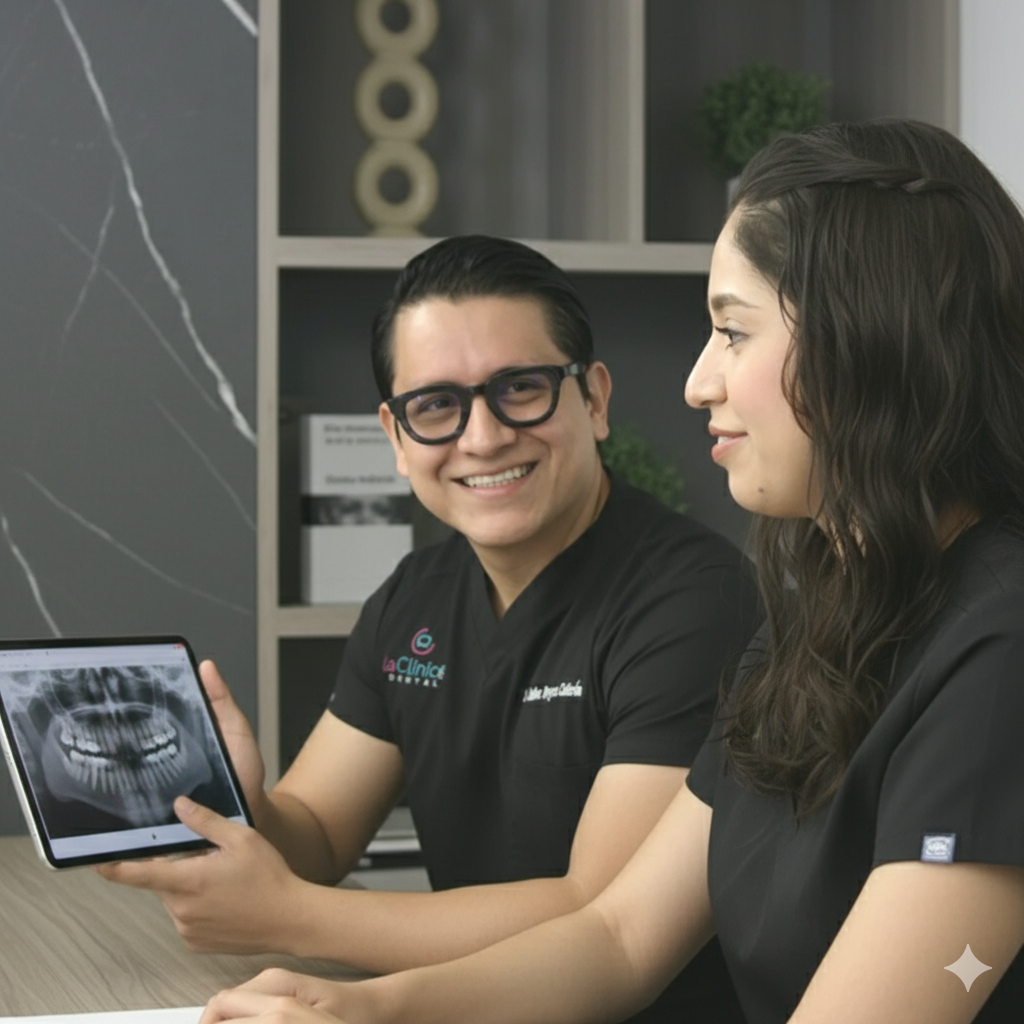
- Complete diagnosis (not by “parts”).
- Phased plan with priorities (health first, then esthetics).
- Less rework: avoids repeating procedures due to lack of sequence.
- Coordination between specialists (gums, orthodontics, endodontics, implants, esthetics).
- Clearer budget: by stages, with variables explained.
What NOT to Promise in a Single Visit
There are treatments that, for safety and biology, cannot be compressed into a single day:
Orthodontics (brackets or aligners)
It is a treatment of months or years; there is no such thing as “one day” orthodontics.
Bone-integrated dental implants
Although implants can be placed in one session, osseointegration requires weeks or months.
In some cases, temporary teeth are placed “the same day”, but the whole process does not end in that one visit.
Complex or multiple surgeries
Sinus lift, wide grafts, complicated extractions: may require more than one session and controls.
Complete fixed rehabilitation completed
Crowns and definitive prostheses need laboratory (tests, adjustments, bite tests, color, etc.).
It is usual to first place provisionals and then definitives at subsequent appointments.
Why is it sometimes convenient NOT to do everything at once?
There are three main reasons:
Biological time
Gums, bone and tissues need to heal.
Implant integration, for example, requires a time window that cannot be accelerated without increasing risks.
Safety and pain control
Concentrating too much can be hard on the body.
It is preferable to advance a lot, but with safe margins to control inflammation, medication and follow-up.
Quality of the result
Aesthetics and function (bite) are best fine-tuned when there is an opportunity to check and adjust.
Practical examples of organization
Scenario 1: patient with multiple cavities and inflamed gums
Long visit 1
Assessment, X-rays, initial deep cleaning.
Treatment of the most urgent cavities.
Short visits 2-3
Rest of restorations and revision of gums.
Scenario 2: patient needing implants and smile design
Long visit 1
Complete diagnosis + tomography + record taking.
Necessary extractions + implant placement (if indicated).
Subsequent visits
Healing controls.
Placement of provisionals.
Final phase of crowns/implant crowns and esthetic adjustments.

How to make the most of a long visit
Report all medical history and current medication.
- Come rested and without time pressure.
- Plan transfers and companion if sedation will be used.
- Understand what part of the plan will be carried out that day and what will be left pending.
- Leave with written instructions for care, medication and next appointment.
Frequently asked questions: treatments in a single long visit
Can I ask for "everything possible" to be done on that day?
Yes, but within a defined plan. The healthiest thing to do is to agree in advance which procedures will be prioritized in that session.
Is it more expensive to make a long visit?
Not necessarily. Many times it is just a matter of organizing clinical time. The important thing is that the budget be phased, not just per visit.
Is a long visit more painful?
It should not be. Proper use of anesthesia, current techniques and postoperative medication allow the process to be manageable. What changes is the duration, not the intent of pain control.
Is it always advisable to do as much as possible in one session?
No. In some patients (due to age, medical conditions or complexity) it is safer to split the treatment.
How can I get the most out of a long visit?
Informing your medical history, coming rested, planning the rest of the day without rushing and agreeing in advance with the dentist which procedures will be prioritized in that session and which will be left for later phases.
Who is a good candidate for a long visit?
People with little time available, who come from far away or who prefer to reduce the number of visits, as long as their general health condition and the complexity of the case allow it.
Does a long visit hurt more than several short appointments?
It should not. With good anesthesia and subsequent medication, the goal is to keep pain under control. What changes is the length of the session, not the standard of comfort.
What should not be promised in a single visit?
Do not promise full orthodontics, implant integration, complex definitive rehabilitations or major surgeries resolved from start to finish in a single day. These phases require biological time and controls.
What treatments can be concentrated in one long visit?
It is usually possible to group together assessment, basic studies, prophylaxis, treatment of simple caries, placement of provisionals and some simple esthetic procedures, provided that the plan is organized in advance.
Schedule your assessment (CDMX) and receive a clear step-by-step plan.
Whether you are looking for a complete rehabilitation, comprehensive dental treatment or a total smile makeover in CDMX, the first step is a professional assessment to define priorities and build a phased plan with realistic expectations.