



Sucursales a tu alcance
Encuentra atención dental cerca de ti, con cobertura en distintas zonas de CDMX.

En La Clínica Dental podemos ofrecerte lo último en tratamiento de ortodoncia, siempre adaptado a tus necesidades y estilo de vida. Contamos con opciones que van desde brackets metálicos y estéticos hasta alineadores casi invisibles, ideales para quienes buscan un tratamiento más discreto. Nuestros especialistas valoran tu caso de forma personalizada, analizan tu mordida y la posición de tus dientes y te proponen el plan de ortodoncia más adecuado para mejorar tu sonrisa y tu función masticatoria de manera cómoda y segura.

Si tienes los dientes desalineados, la solución es el tratamiento de ortodoncia; en dónde los dientes se colocan en su posición adecuada, para así lograr su correcta función y como consecuencia, dientes perfectamente bien alineados. Existen varios tipos de tratamientos de ortodoncia, tales como: brackets metálicos, estéticos, sin ligas e incluso sistemas totalmente transparentes Invisalign.

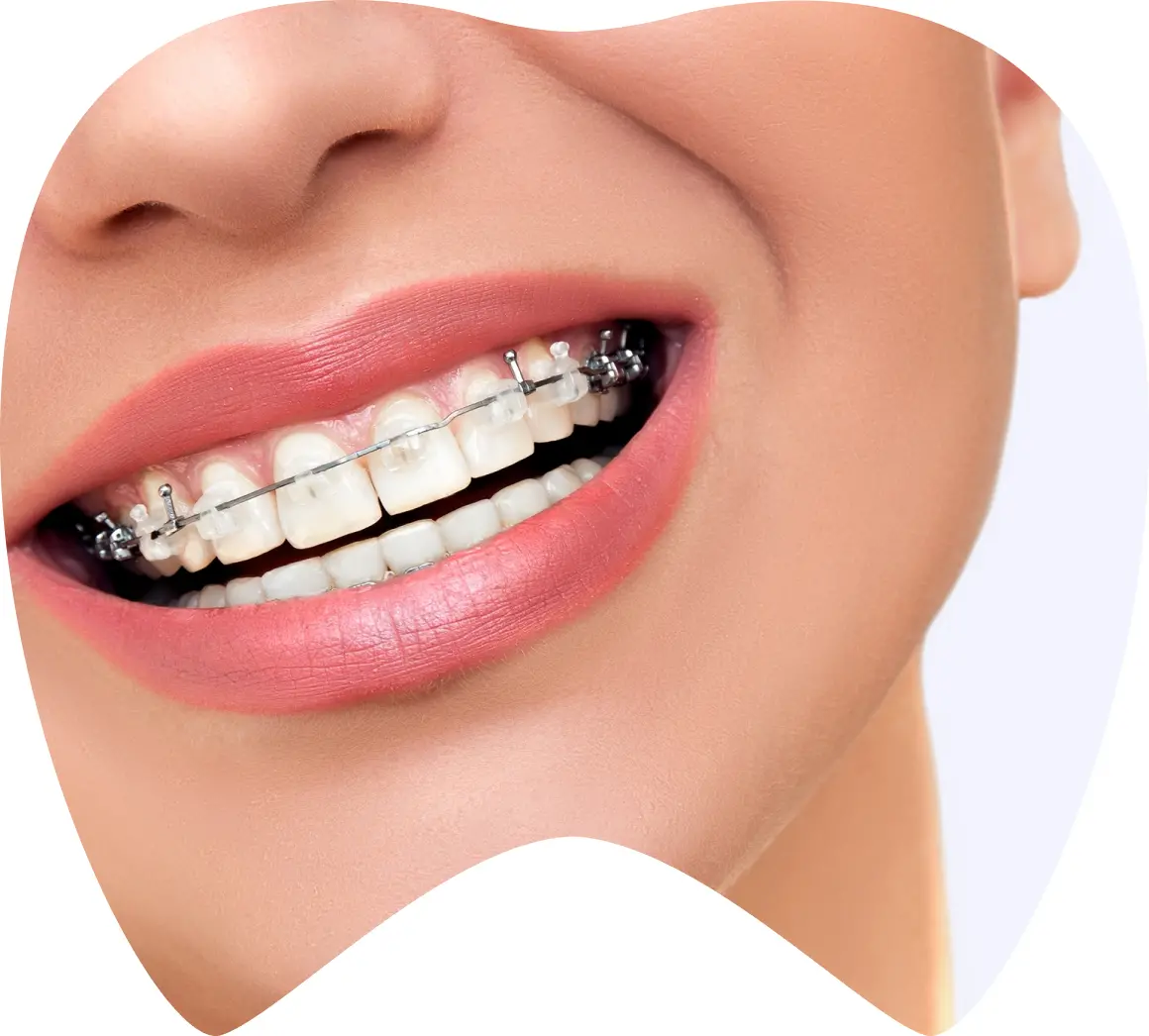
Los Brackets de Zafiro son una excelente opción dentro de la ortodoncia por sus cualidades estéticas, técnicas y porque su precio es muy similar al de los brackets metálicos.
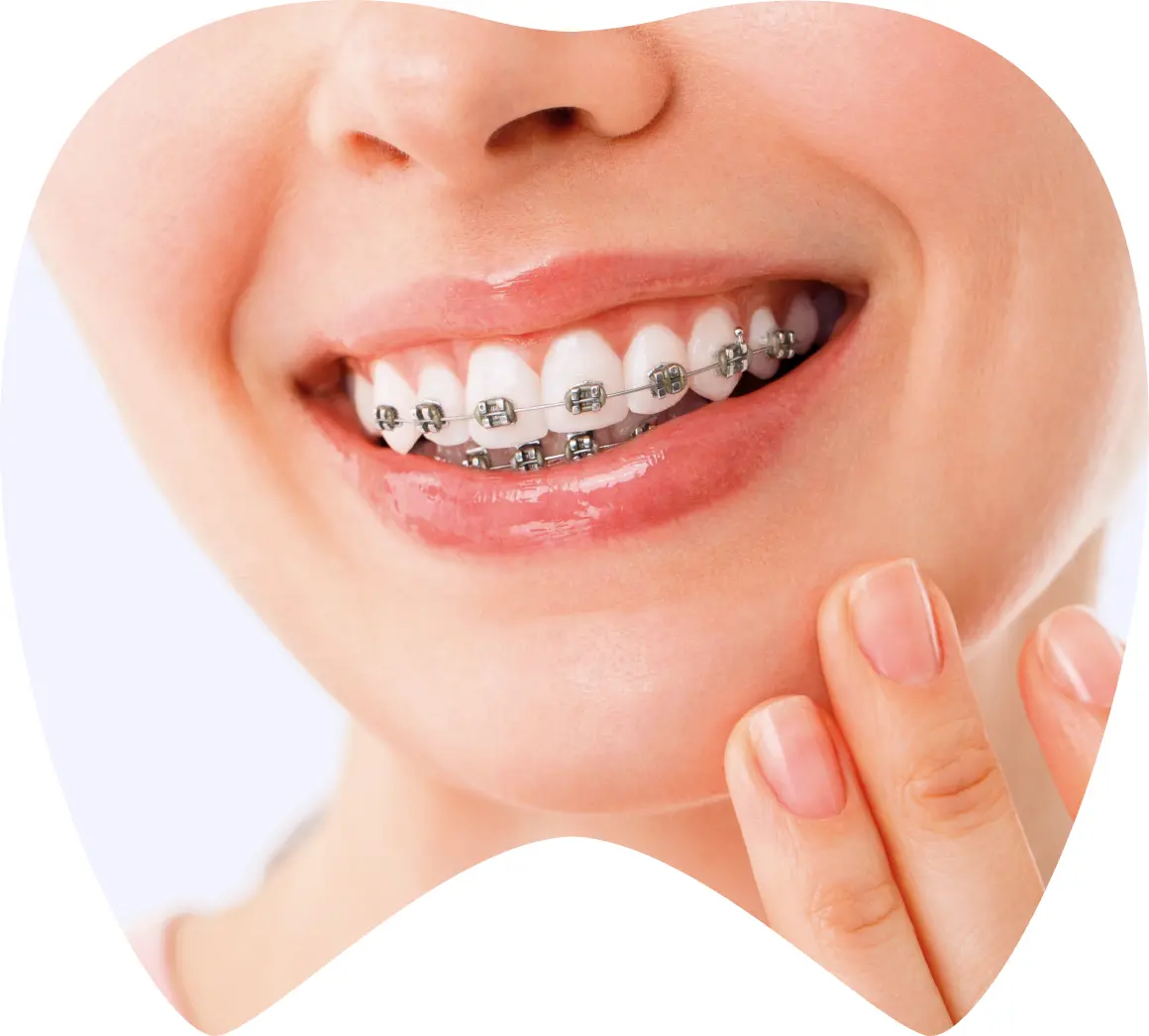
Los Brackets Metálicos se colocan en la cara externa y visible de los dientes para corregir la posición de la dentadura mediante presión. Gracias a los brackets metálicos conseguirás alinear tus piezas dentales en el menor tiempo posible y con unos resultados excelentes.
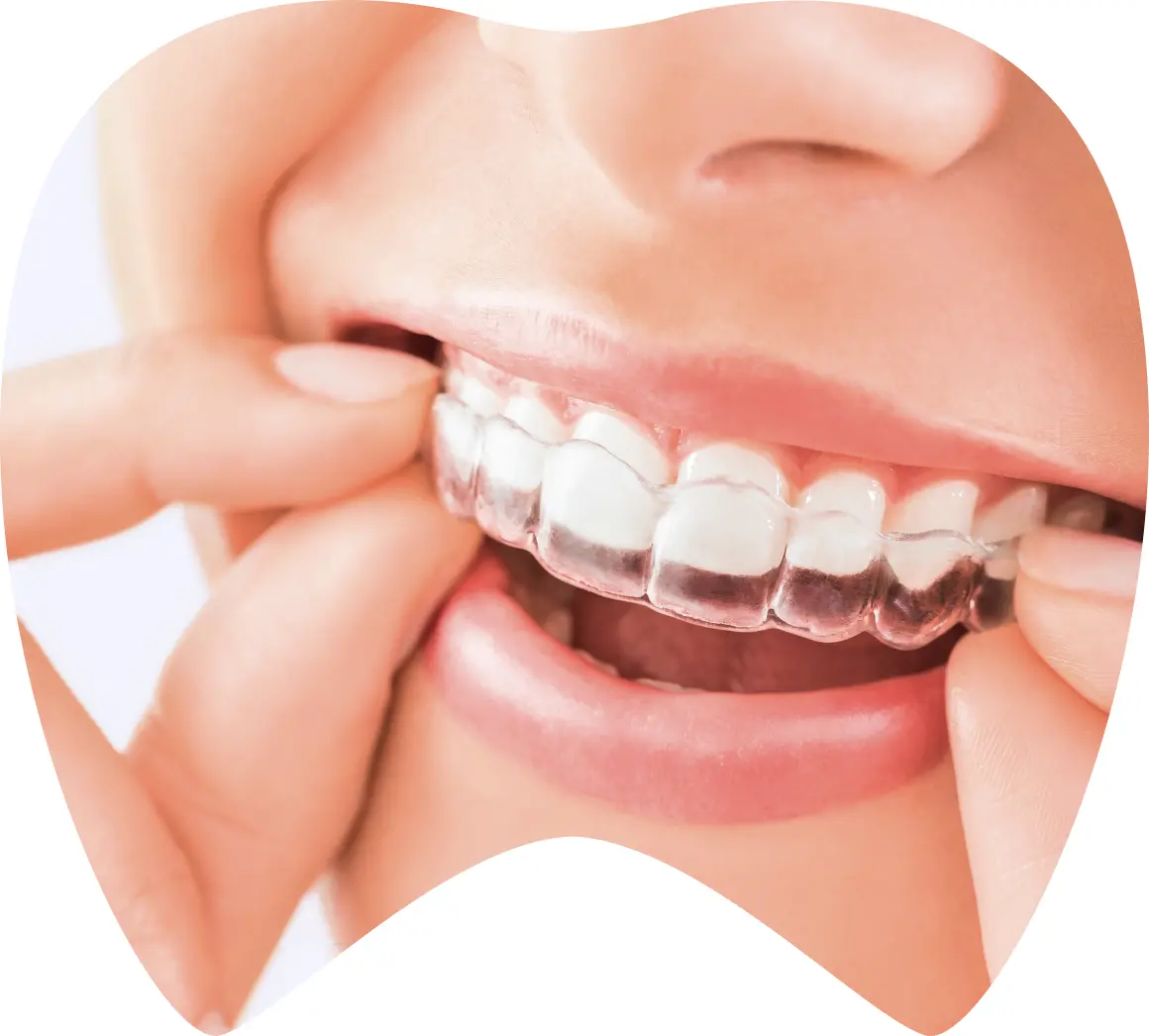
La Ortodoncia Invisible (Invisalign) o Transparente, consiste en una serie de alineadores removibles de plástico transparente, que desplazan los dientes poco a poco a la posición ideal. El diagnóstico y la prescripción se realizan con tecnologías avanzadas de imagen digital por ordenador.
Invisalign es un tratamiento de ortodoncia con alineadores transparentes y removibles diseñado para alinear dientes y mejorar la mordida con un enfoque discreto y cómodo. En La Clínica Dental, nuestros ortodoncistas evalúan tu caso, definen objetivos estéticos y funcionales y crean un plan personalizado con seguimiento periódico.
Invisalign puede ser una gran opción para casos leves a moderados y, en algunos casos, también para tratamientos más complejos. La indicación correcta depende de tu diagnóstico, salud de encías, mordida y objetivos.
La mayoría de adolescentes y adultos pueden ser candidatos. La indicación depende de tu mordida, apiñamiento, espacios, salud de encías y hábitos (como bruxismo). En la valoración definimos objetivos (función + estética) y el tipo de tratamiento más adecuado.
La ortodoncia corrige maloclusiones y problemas de alineación que pueden afectar estética, masticación y desgaste dental. Entre los más comunes:
La elección depende de tu caso y estilo de vida. En general:
En consulta te explicamos pros/cons según tu mordida y complejidad.
Depende de la complejidad, cooperación y objetivos. Algunos casos son más cortos y otros requieren más tiempo por movimientos complejos. En la valoración te damos un estimado por etapas y qué variables pueden modificarlo (asistencia a controles, uso de elásticos, cuidado del aparato).
Es normal sentir presión o sensibilidad tras ajustes o al cambiar alineadores. Suele ser temporal. Te explicamos cómo manejarlo y qué es esperado vs. qué requiere revisión.
Los controles se programan según el tipo de tratamiento y el progreso. En cada cita evaluamos movimientos, higiene, mordida y ajustes necesarios. La consistencia en tus controles mejora la previsibilidad del resultado.
Con brackets es clave cuidar higiene y evitar alimentos que despeguen aditamentos. Recomendaciones habituales:
Primero debemos estabilizar encías. La ortodoncia puede requerir control periodontal previo y mantenimiento durante el tratamiento. La seguridad y la salud de tus tejidos es prioridad para evitar complicaciones.
El bruxismo puede influir en la planificación y en la retención. En la valoración evaluamos desgaste, fuerza de mordida y hábitos. Según el caso, se recomiendan medidas como guarda, ajustes oclusales y un plan de retención más estricto.
La retención es la etapa posterior al alineamiento para mantener los dientes en su nueva posición. Puede incluir retenedores removibles o fijos. Sin retención, existe riesgo de que los dientes se muevan nuevamente.
Podemos organizar el pago por etapas (valoración, inicio y controles) y, según condiciones vigentes, ofrecer opciones con tarjeta como promociones o financiamiento. En tu valoración confirmamos opciones disponibles y el esquema más conveniente.
Invisalign es un sistema de alineadores transparentes y removibles. El tratamiento se planifica por etapas: usas una serie de alineadores que aplican fuerzas controladas para mover los dientes gradualmente hasta alcanzar el resultado planeado.
No siempre. Muchos casos leves a moderados pueden tratarse con alineadores, y algunos casos complejos también, pero la indicación depende del diagnóstico, la mordida, la salud de encías y tus objetivos. En la valoración confirmamos si Invisalign es la mejor opción o si conviene otra alternativa.
Depende de la complejidad y del plan. También influye el uso constante de los alineadores y la asistencia a controles. En consulta te damos un estimado realista y qué factores pueden acelerarlo o retrasarlo.
Para lograr el movimiento planeado, los alineadores deben usarse la mayor parte del día y retirarse solo para comer, beber bebidas no permitidas y realizar higiene. En tu plan te indicamos las recomendaciones de uso para mantener previsibilidad.
Es normal sentir presión o sensibilidad al iniciar un alineador nuevo. Generalmente es temporal y forma parte del proceso de movimiento dental. Te explicamos cómo manejar la molestia y qué señales ameritan revisión.
Sí, porque los alineadores se retiran para comer. Esto ayuda a evitar restricciones típicas de brackets. Lo importante es mantener buena higiene antes de colocarlos nuevamente para proteger dientes y encías.
Al finalizar, se indican retenedores para conservar el resultado. Sin retención, los dientes tienden a moverse con el tiempo. En consulta definimos el tipo de retención (removible y/o fija) y el plan de controles.
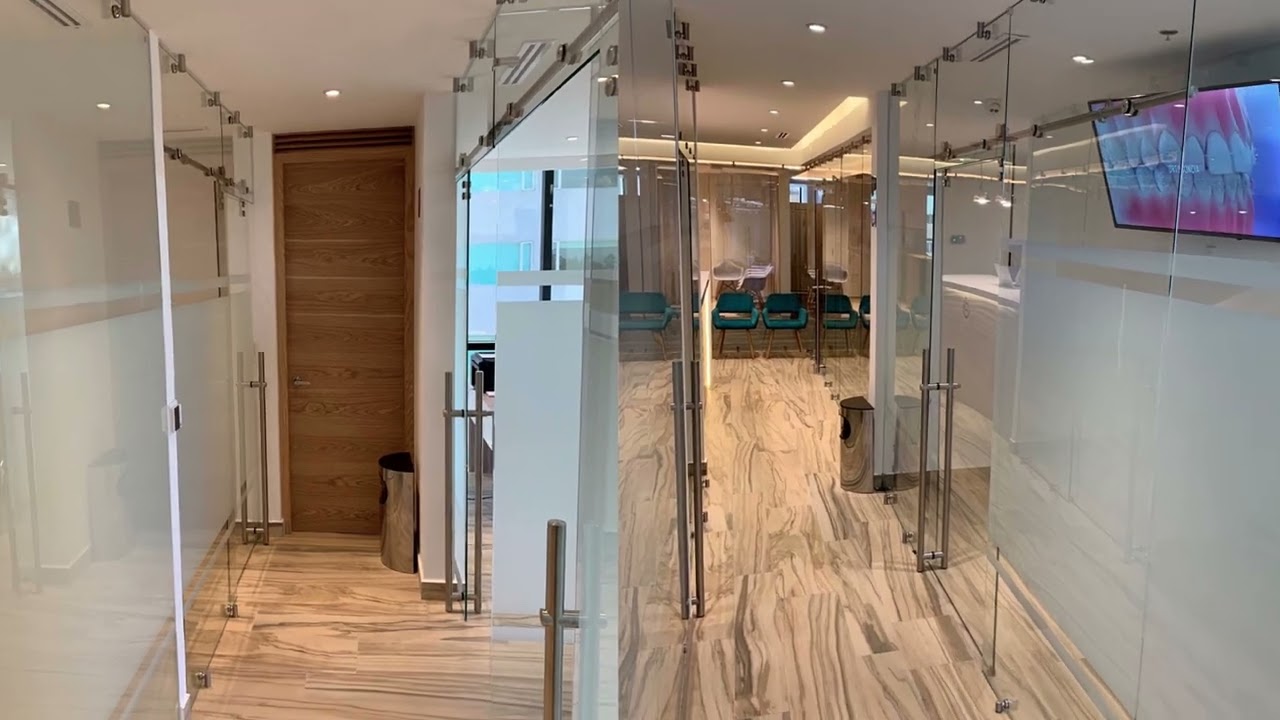

La Clínica Dental es una Red Dental Premium en México que combina diagnóstico 3D, escaneo intraoral, cirugía guiada y especialistas multidisciplinarios para planear tratamientos más precisos, cómodos y predecibles en implantes, estética dental y rehabilitación oral.
Encuentra atención dental cerca de ti, con cobertura en distintas zonas de CDMX.

Flexibilidad de pagos, elige la alternativa que mejor se adapte a tu presupuesto y tratamiento.
Utilizamos tomografía 3D, escáner intraoral y planificación digital para diagnosticar con mayor precisión, reducir molestias y planear tratamientos más seguros y predecibles.

Nuestro equipo te acompaña con atención profesional, clara y humana en cada visita.
Llene el formulario a continuación, realiza tu consulta, como deseas ser contactado y nos pondremos en contacto con usted durante nuestras horas de trabajo.
 ¡Agenda tu cita!

