



Sucursales a tu alcance
Encuentra atención dental cerca de ti, con cobertura en distintas zonas de CDMX.

El Diseño de Sonrisa consiste en llevar los dientes a unas condiciones ideales de tamaño forma y color, según la cara, la personalidad y los rasgos específicos de cada paciente. Con la odontología actual se busca llevar a los dientes hasta un estado natural, altamente armónico y visualmente muy agradable.
Se puede llevar a cabo con Carillas, Resinas de Alta Estética, Blanqueamiento e incluso tratamiento de Ortodoncia Invisible. En La Clínica Dental sabemos que sonreír es salud.

Todos nuestros tratamientos y servicios se brindan en cómodas instalaciones con los más altos estándares de calidad.

Las carillas dentales son unas capas delgadas de porcelana hechas a la medida, que cubren la parte frontal de los dientes. Las carillas dentales, son del color del diente y se utilizan para cerrar espacios entre dientes, dientes manchados, mala formación o ligeramente chuecos.
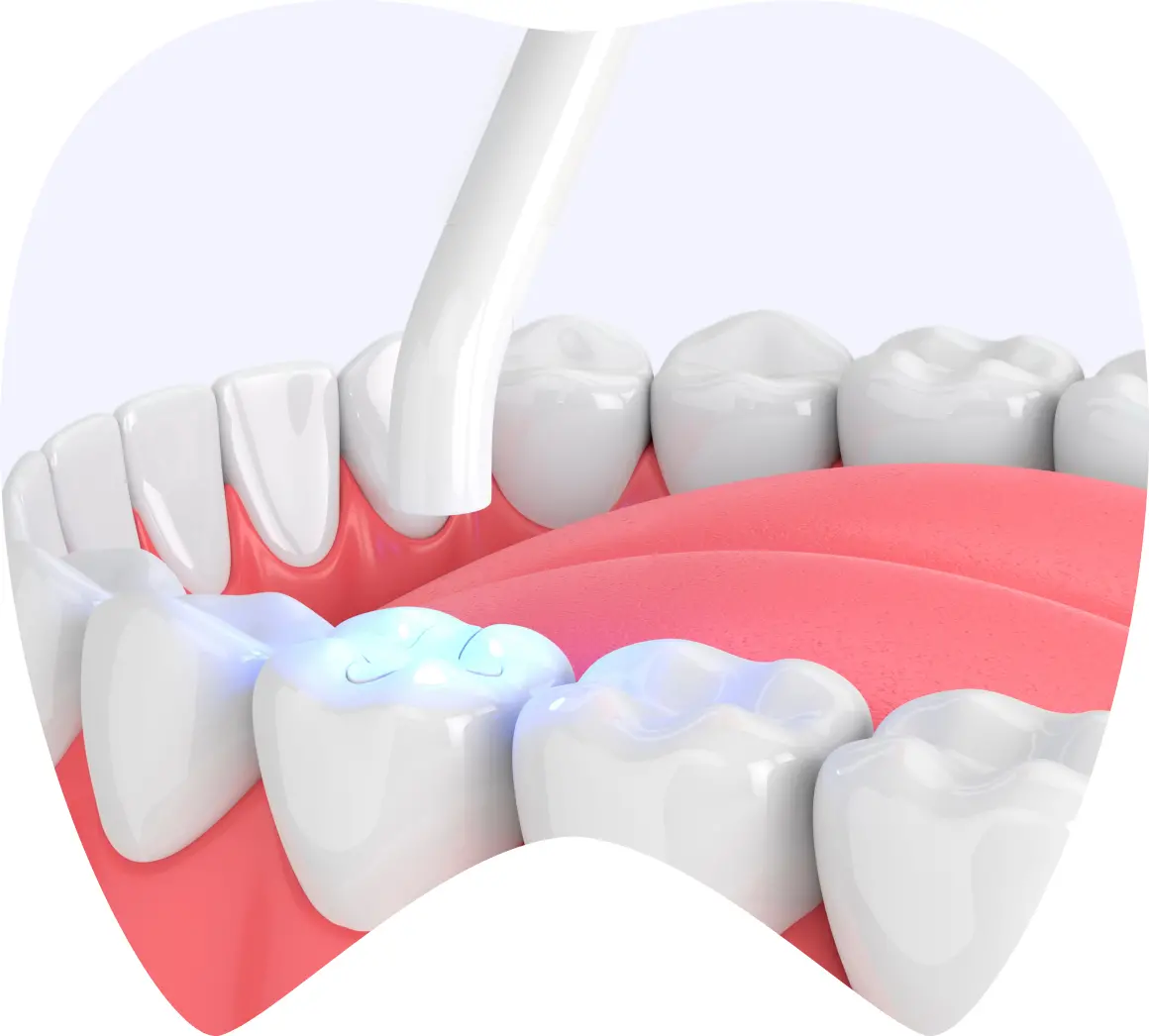
Las resinas de alta estética son del color del diente y se colocan en la superficie de los mismos para igualar su apariencia natural. Esto se hace después de eliminar algunas caries, fracturas que haya que restaurar; espacios entre los dientes y pequeñas imperfecciones, etc.

El blanqueamiento es un procedimiento que aclara los dientes que están manchados, decolorados o que se han oscurecido por un golpe. Se puede realizar en dientes vitales o en dientes con endodoncia.

Si tienes los dientes desalineados, la solución es el tratamiento de ortodoncia; en dónde los dientes se colocan en su posición adecuada, para así lograr su correcta función y como consecuencia, dientes perfectamente bien alineados. Existen varios tipos de tratamientos de ortodoncia, tales como: brackets metálicos, estéticos, sin ligas e incluso sistemas totalmente transparentes.
En estética dental, lo importante no es “hacer dientes más blancos”, sino diseñar una sonrisa armónica, funcional y natural. Por eso nuestro enfoque integra tecnología de diagnóstico y planeación para reducir incertidumbre y mejorar la precisión desde el primer día.
Digital Smile Design (DSD): análisis de sonrisa y proporciones faciales para definir forma, tamaño y posición de los dientes antes de iniciar.
Escáner intraoral (scanners): registro digital preciso (sin moldes tradicionales, cuando aplica) para planear y fabricar con mejor ajuste.
CBCT (tomografía 3D): evaluación avanzada de hueso, encías y anatomía cuando el caso lo requiere (p. ej., rehabilitaciones complejas o para alinear estética con función).
CAD/CAM: diseño y manufactura asistidos por computadora para mejorar ajuste, consistencia y control del resultado final (según el plan y el material indicado).
La combinación de estas herramientas nos permite simular, planificar y ejecutar de forma más controlada: menos sorpresas, mejor ajuste y una sonrisa que se vea natural.

Si viajas desde el extranjero, podemos ayudarte a organizar tu tratamiento con un enfoque por etapas, cuidando tiempos, visitas y seguridad clínica. El objetivo es optimizar tu agenda sin comprometer el resultado final.
Pre-evaluación antes de tu viaje: envías fotos y estudios disponibles (si tienes panorámica/CBCT) para orientar opciones y estimar etapas.
Primera visita en CDMX: valoración clínica + diseño digital + plan definitivo (qué se hace en tu viaje y qué se programa después).
Ejecución por fases: tratamientos que pueden concentrarse en pocas citas cuando es clínicamente viable (p. ej., resinas/blanqueamiento) y planificación de fases que requieren tiempos biológicos (p. ej., carillas, rehabilitación, ortodoncia).
Seguimiento: indicaciones claras, controles programados y coordinación para la fase final.
La prioridad es que el tratamiento sea seguro, predecible y estable. Algunas fases pueden resolverse durante tu estancia; otras requieren programación posterior para respetar procesos clínicos y obtener el mejor resultado.

El diseño de sonrisa es un enfoque integral de estética dental que busca mejorar la armonía entre dientes, encías, labios y rostro. No se trata solo de “blanquear”, sino de planear proporciones, forma, color y función para que la sonrisa se vea natural y sea estable.
Puede ayudar en casos como:
Una sonrisa natural respeta la anatomía real: variaciones sutiles de forma, textura y color, y una relación armónica con labios y rostro. Para evitar el “efecto uniforme” (demasiado blanco o dientes idénticos), planificamos tono, translucidez y proporciones.
En consulta se define:
El proceso se organiza por etapas para que tengas claridad de decisiones y tiempos. Un flujo típico incluye:
El diseño de sonrisa no es un procedimiento único: es un plan que combina opciones según tu diagnóstico. Puede incluir:
En consulta se define qué combinación te da el mejor resultado con el enfoque más conservador posible.
Depende del objetivo, del estado del diente y del nivel de cambio que buscas. En general:
La decisión final se toma con evaluación clínica y plan estético-funcional.
Un mock-up es una “prueba” temporal que permite visualizar volumen, forma y longitud antes de finalizar el tratamiento (cuando aplica). Sirve para alinear expectativas y ajustar detalles estéticos (más largo/corto, más ancho/estrecho) antes de llegar a la etapa definitiva.
Es útil para:
Depende de la complejidad y de los tratamientos involucrados. Algunos planes pueden resolverse en pocas citas (por ejemplo, blanqueamiento + resinas), mientras que otros requieren etapas (carillas, ortodoncia o rehabilitación).
En tu valoración te damos un cronograma por etapas y qué factores pueden modificarlo (encías, mordida, necesidad de provisionales, etc.).
Varía según el plan. Un diseño conservador puede requerir pocas visitas, mientras que un plan integral puede necesitar varias etapas. Lo importante es que desde el inicio se definan:
Te damos una guía de visitas y tiempos adaptada a tu caso.
La mayoría de los procedimientos estéticos son bien tolerados. En caso de requerir ajustes o procedimientos que lo ameriten, se utiliza anestesia local. Si eres ansioso(a), lo ideal es comentarlo desde la valoración para planear una experiencia más cómoda.
Normalmente ayudamos con:
La salud de encías es clave para que el resultado estético sea estable. Si hay inflamación o enfermedad periodontal, primero se indica tratamiento periodontal y mantenimiento. Después se retoma el plan estético con mejores condiciones y menor riesgo de complicaciones.
El bruxismo puede afectar la durabilidad de restauraciones estéticas y la estabilidad de la mordida. Por eso, evaluamos desgaste, fuerza de mordida y hábitos. Según el caso, se recomienda un plan de protección (por ejemplo, guarda nocturna) y ajustes para reducir sobrecargas.
La duración depende del tipo de tratamiento, hábitos y mantenimiento. Para conservar resultados se recomienda:
En consulta te damos un plan de mantenimiento específico.
El costo depende del plan completo y de los tratamientos necesarios para tu caso, no solo de un procedimiento aislado. Variables frecuentes:
Lo ideal es un presupuesto por etapas, con alternativas según el nivel de cambio deseado.
Podemos organizar el pago por etapas (valoración/diagnóstico, ejecución y controles). Las formas de pago disponibles pueden variar, pero normalmente incluyen transferencia y tarjetas; también puede haber condiciones específicas según políticas vigentes.
En tu valoración confirmamos las opciones vigentes y el esquema más conveniente según tu plan.
Sí. Para pacientes internacionales, organizamos el plan por etapas para optimizar tiempos y visitas, manteniendo seguridad clínica. Normalmente se inicia con pre-evaluación, y en la visita a CDMX se define el plan final con cronograma. Algunas fases pueden concentrarse en pocos días cuando es clínicamente viable; otras se programan según tiempos biológicos y estabilidad del resultado.
Para avanzar más rápido, recomendamos enviar antes de tu viaje (si lo tienes): radiografía panorámica o CBCT, fotos de tu sonrisa y de cerca, y un resumen de objetivos (qué te gustaría mejorar). También es útil compartir tus fechas de viaje y cuántos días estarás en CDMX.
Con esta información podemos orientarte sobre opciones, etapas y un itinerario realista.
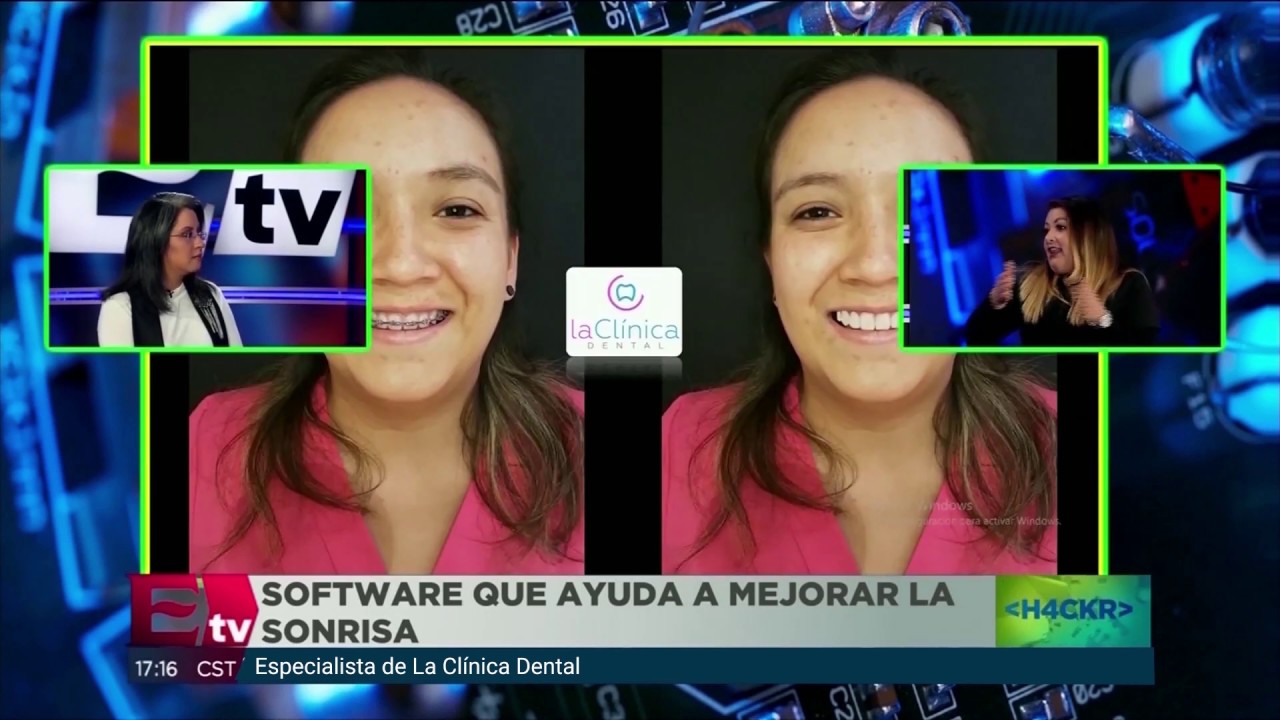

La Clínica Dental es una Red Dental Premium en México que combina diagnóstico 3D, escaneo intraoral, cirugía guiada y especialistas multidisciplinarios para planear tratamientos más precisos, cómodos y predecibles en implantes, estética dental y rehabilitación oral.
Encuentra atención dental cerca de ti, con cobertura en distintas zonas de CDMX.

Flexibilidad de pagos, elige la alternativa que mejor se adapte a tu presupuesto y tratamiento.
Utilizamos tomografía 3D, escáner intraoral y planificación digital para diagnosticar con mayor precisión, reducir molestias y planear tratamientos más seguros y predecibles.

Nuestro equipo te acompaña con atención profesional, clara y humana en cada visita.
Llene el formulario a continuación, realiza tu consulta, como deseas ser contactado y nos pondremos en contacto con usted durante nuestras horas de trabajo.
 ¡Agenda tu cita!

