Understanding the Benefits of Oral Rehabilitation
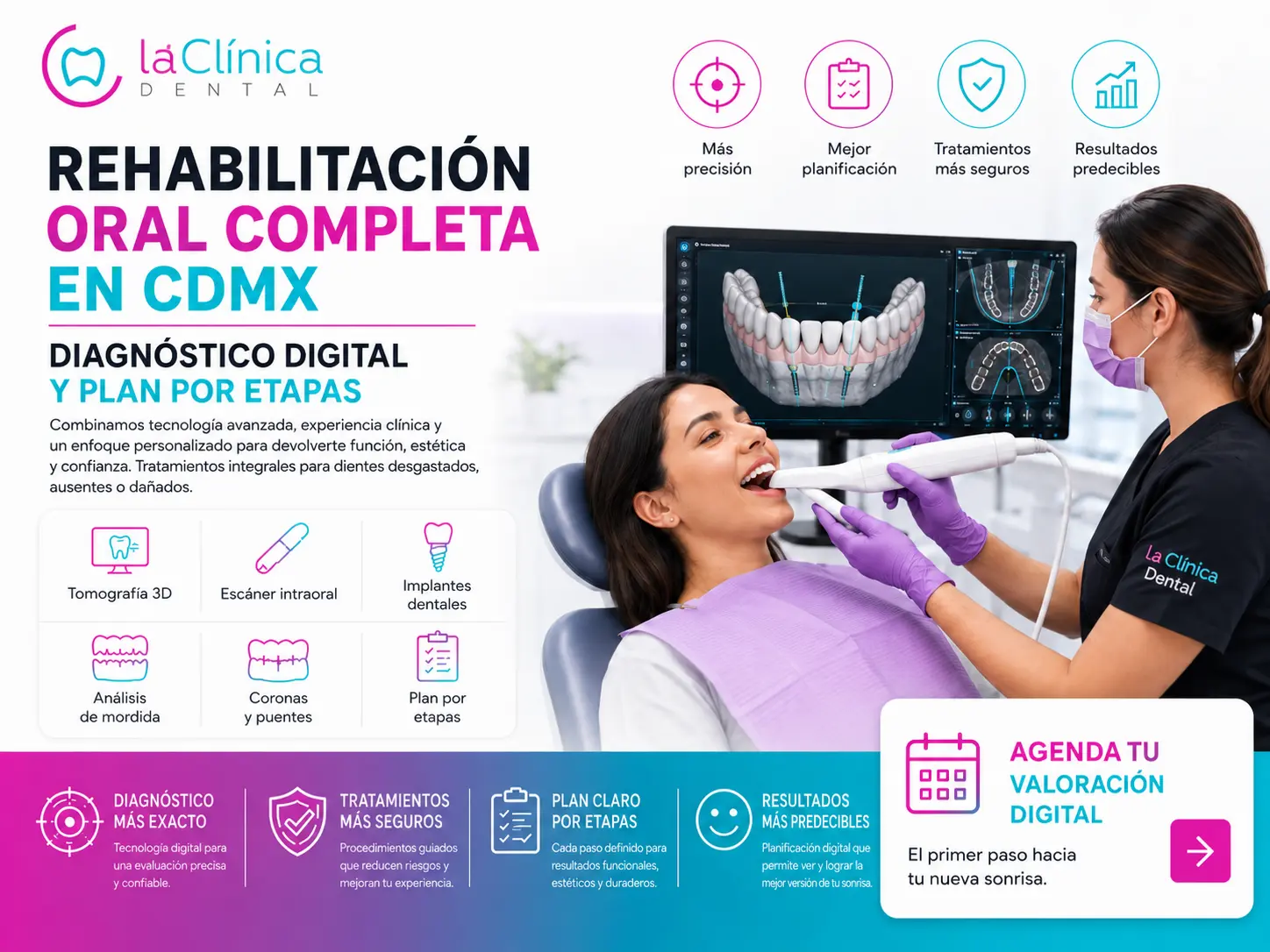
Oral rehabilitation offers numerous benefits, including the restoration of dental function, improvement of aesthetics, and enhancement of overall oral health. Patients who undergo oral rehabilitation can expect to regain their ability to chew and speak effectively, which significantly improves their quality of life.
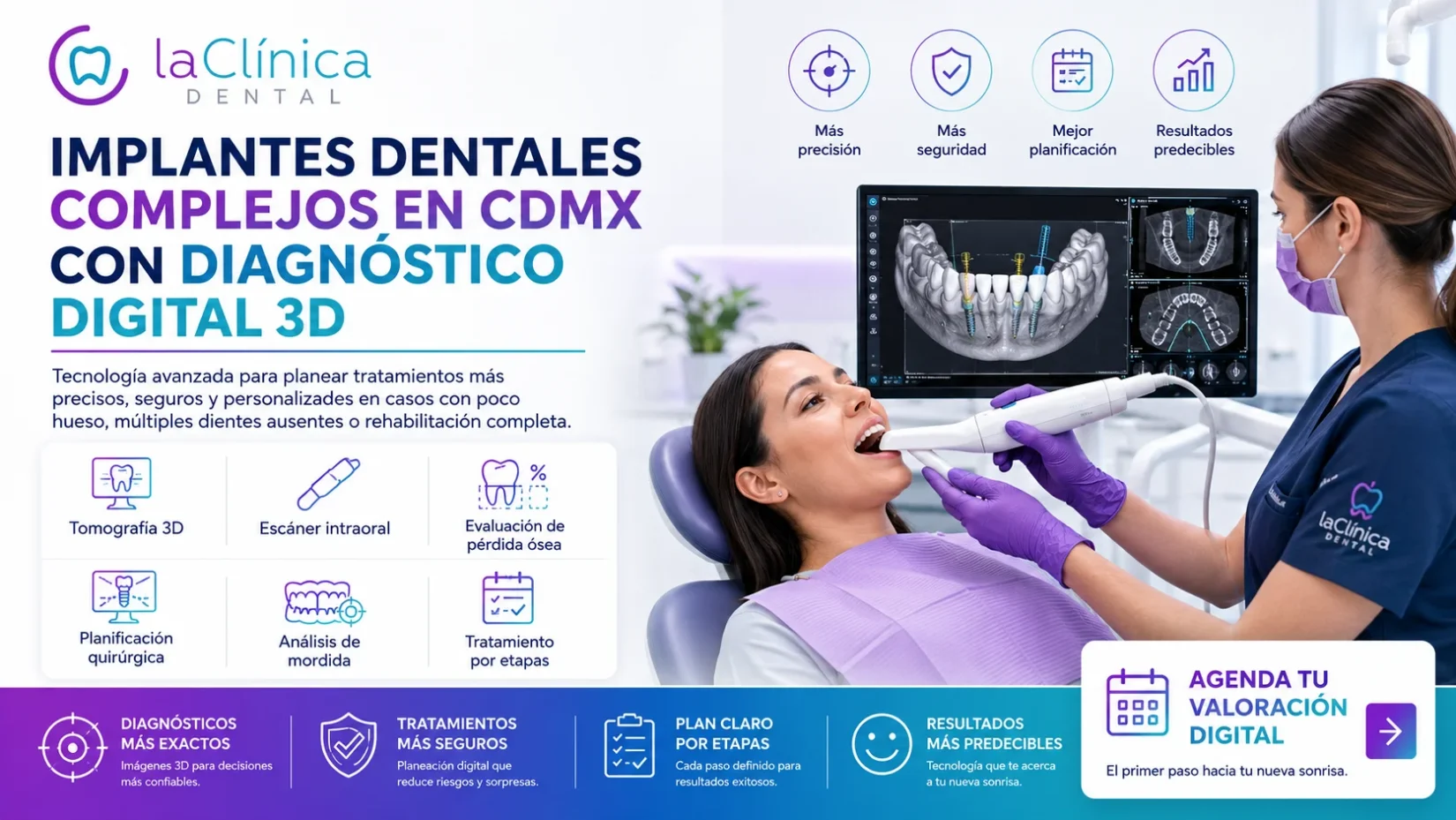
Additionally, oral rehabilitation can prevent further dental issues by addressing existing problems, such as tooth decay or gum disease. For instance, a patient with missing teeth may experience bone loss in the jaw, which can be mitigated through timely rehabilitation treatments like dental implants.
The Role of Digital Dentistry in Modern Treatments
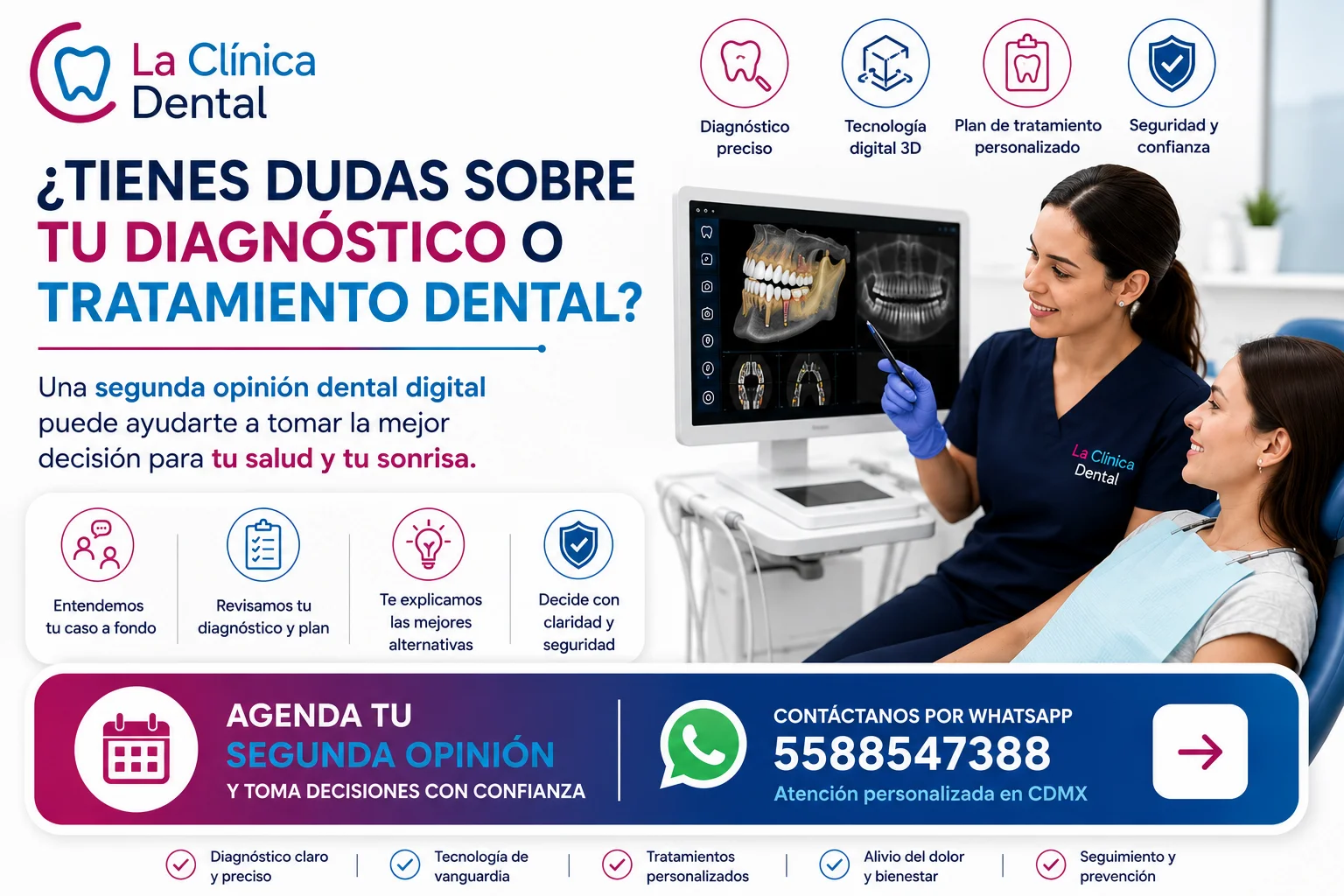
Digital dentistry is revolutionizing the way dental treatments are planned and executed. Utilizing advanced technologies such as 3D imaging and computer-aided design, dentists can create precise treatment plans tailored to each patient's unique needs. This not only enhances the accuracy of procedures but also reduces the time spent in the dental chair.
For example, with digital impressions, patients no longer need to endure traditional molds, making the process more comfortable. Furthermore, these technologies allow for better communication between the dental team and the patient, ensuring that expectations are met and treatment outcomes are optimized.
Comparing Traditional Braces and Invisalign
When it comes to teeth alignment, patients often face the choice between traditional braces and Invisalign. While both options effectively straighten teeth, they differ significantly in terms of aesthetics, comfort, and treatment duration. Invisalign offers a discreet alternative with clear aligners that can be removed for eating and cleaning.
On the other hand, traditional braces may provide faster results for complex cases but come with visible metal brackets and wires. Understanding these differences can help patients make informed decisions based on their preferences and lifestyle, ensuring they choose the best orthodontic solution for their needs.
Emergency Dental Care: What You Need to Know
Emergency dental care is crucial for addressing urgent dental issues that require immediate attention. Common emergencies include severe toothaches, knocked-out teeth, and dental abscesses. Recognizing the signs of a dental emergency can help patients seek timely care and prevent further complications.
For instance, if a tooth is knocked out, it is essential to keep the tooth moist and seek dental assistance within an hour for the best chance of successful reattachment. Understanding the protocols for emergency situations can empower patients to act quickly and effectively, ensuring their dental health is maintained.