Published byDr. Rosa Ma. Moctezuma, Cédula No. 1135288: March 28, 2026.
Reviewed byDr. Miguel Ángel S.: March 28, 2026.
Preventive dentistry in CDMX helps detect and treat cavities, gum inflammation, tooth wear, bad breath and other problems that often worsen when not checked in time. At La Clinica Dental we combine clinical evaluation, digital diagnosis, professional cleaning and personalized follow-up to prevent more costly, painful or complex treatments in the future.
Taking care of your teeth does not mean waiting for something to hurt. Modern dental prevention consists of checking, detecting and correcting small changes before they become infections, tooth mobility, bone loss, fractures, emergencies or extensive rehabilitations.
In a city like CDMX, where many people postpone their dental care because of work, time or fear of the dentist, a well-designed preventive strategy can make a real difference in health, comfort, time and cost. Prevention is not just a cleaning. It’s a way to keep your mouth stable for the long term, protect gums, preserve natural teeth and reduce the need for invasive treatments.
At La Clínica Dental, preventive dentistry is part of a comprehensive vision: we are not only looking for clean teeth, but a functional, stable, healthy and well-monitored mouth. That is why prevention is connected with areas such as periodontics, implantology, smile design and family care.
What is preventive dentistry?
Preventive dentistry is the set of check-ups, habits, diagnostic studies, cleanings and early treatments that seek to prevent the appearance or progression of diseases such as caries, gingivitis, periodontitis, dental wear, bruxism, fractures and tooth loss.
Their goal is not to “do something to you” every time you come in, but to help you preserve what is already healthy and detect in time what can still be resolved in a simple way.
Modern dental prevention includes:
- periodic clinical review
- gum evaluation
- early caries detection
- plaque and tartar control
- bite and wear analysis
- diagnostic imaging when needed
- personalized education according to age, risk and background
- follow-up in patients with implants, crowns, veneers, orthodontics or periodontal disease
Why is preventive dentistry an investment and not an expense?
Because it is almost always simpler, less invasive and more accessible than correcting an advanced problem.
A preventive check-up can detect a small cavity before it needs endodontics, a gingival inflammation before it becomes periodontitis, or an occlusal overload before it fractures a crown, an implant or a natural tooth.
| Situation detected in time | Consequence if ignored | Benefit of early action |
|---|---|---|
| Initial caries | Pain, infection or need for endodontics | More conservative and faster treatment |
| Gingivitis | Periodontitis and loss of tooth support | Early gum control and better prognosis |
| Accumulated tartar | Inflammation, bad breath and bleeding | Professional cleaning and easy maintenance |
| Wear and tear or bruxism | Fissures, fractures, muscle tenderness or pain | Protection of teeth and restorations |
| Poor hygiene in implants or crowns | Peri-implantitis, leaks or premature replacements | Longer treatment time |
What does a preventive dentistry consultation in CDMX include?
A well-done preventive consultation is not limited to “checking over the top”. It must integrate diagnosis, risk and follow-up plan.
In general terms, it may include:
- clinical interview and medical history
- examination of teeth, gums, tongue and soft tissues
- plaque, tartar, bleeding or gingival recession detection
- evaluation of bite, wear and habits
- analysis of previous restorations
- control of sensitivity, mobility or inflammation
- X-rays or digital studies if needed
- professional cleaning or indication for periodontal treatment
- customized maintenance plan
Who needs preventive dentistry?
The correct answer is simple: almost everyone. But there are groups that need it even more.
Patients who should especially prioritize it
- people with bleeding gums
- patients with frequent caries
- those who use crowns, bridges or implants
- patients with orthodontics or aligners
- smokers
- people with diabetes
- bruxism patients
- children and adolescents in development
- older adults
- who have gone for years without a complete overhaul
Prevention is also key for patients seeking esthetics or rehabilitation. Before thinking about veneers, implants or a smile design, the basis should be a healthy and stable mouth.
How often should a preventive check-up be performed?
There is no one frequency for everyone. What is appropriate depends on your caries risk, gum health, habits, age, restorations and history.
| Patient profile | Indicative revision frequency | Main objective |
|---|---|---|
| Low risk patient with good hygiene | Every 6 months | General control and prevention |
| Patient with frequent gingivitis or calculus | Every 3 to 4 months | To avoid periodontal progression |
| Patient with implants or extensive rehabilitation | Every 3 to 6 months | To protect long-term treatment |
| Patient with recurrent caries | According to individual clinical control | To reduce relapses and structural damage |
| Children and adolescents | According to stage of growth and risk | Early monitoring and education |
What problems does it help prevent?
Preventive dentistry is not limited to one disease. It helps reduce the risk of multiple problems that often progress without clear symptoms.
Helps prevent or detect in time:
- initial cavities
- gingivitis
- periodontitis
- bleeding gums
- bad breath of dental origin
- sensitivity to wear and tear or recession
- bruxism fractures
- leaks in restorations
- periimplantitis
- bite overloads
- emergencies resulting from neglect or diagnostic delay
Is professional teeth cleaning part of preventive dentistry?
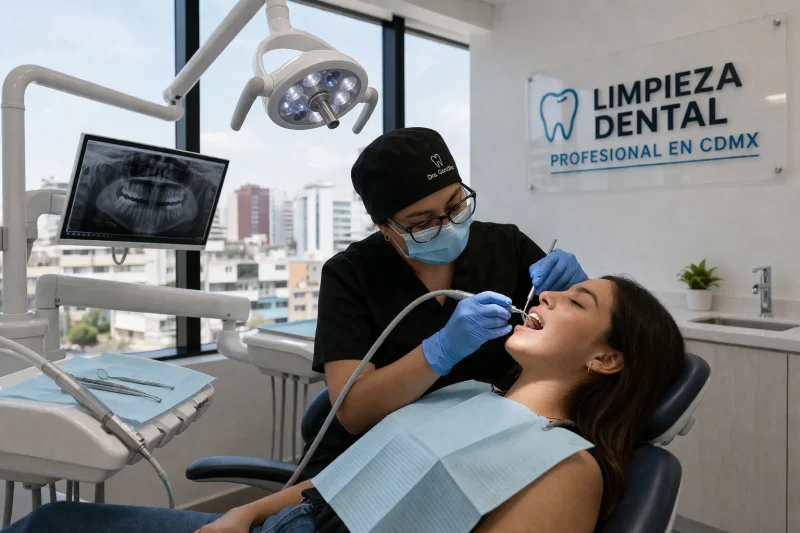
Yes, but it is not the only thing. Professional teeth cleaning is an important tool in prevention, because it helps remove hardened plaque, pigments and deposits that are not always removed with home brushing. However, good prevention also requires diagnosis, periodontal evaluation, education and follow-up.
Many people say “I had a cleaning” although in reality they needed a more complete check-up or even periodontal treatment. That is why it is convenient to differentiate between basic cleaning, prophylaxis and deeper procedures when there is inflammation or periodontal pockets.
What is the relationship between prevention and gum health?
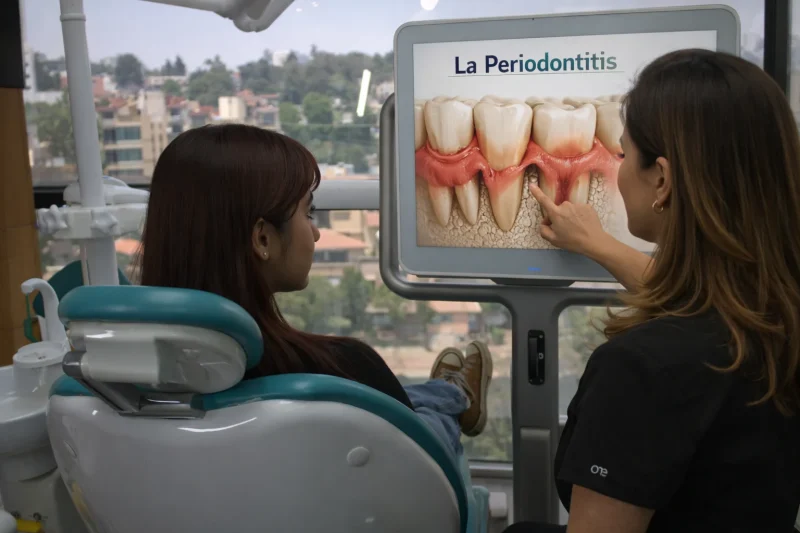
Total. There is no real prevention without periodontal control. Gums are the tissue that surrounds and protects your teeth. When they become inflamed, bleed or recede, not only aesthetics are affected: dental support is also compromised.
Many people worry about a visible cavity, but ignore weeks or months of bleeding while brushing. Such bleeding should not normalize. It may be an early sign of gingivitis or a warning of developing periodontal disease.
What is the role of digital diagnostics in prevention?
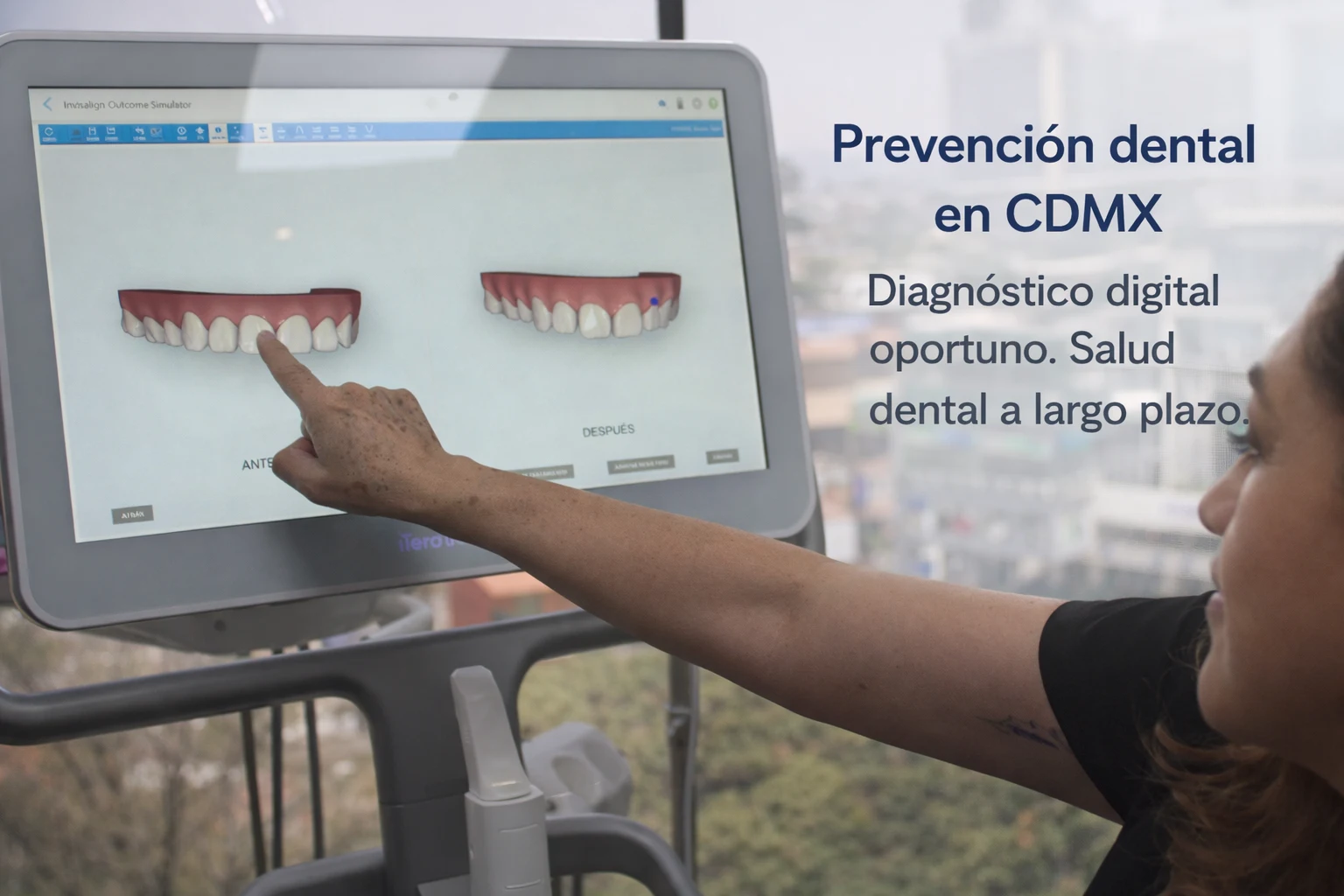
Modern prevention is more accurate when the diagnosis does not depend only on quick observation. Digital radiographs, clinical photographs, scans and other studies make it possible to detect changes that are not yet felt, painful or visible to the naked eye.
This does not mean ordering unnecessary studies, but using diagnostic tools when they help to better understand the real state of the mouth and to plan follow-up with criteria.
Advantages of preventive digital diagnostics
- earlier detection of structural changes
- better comparative monitoring over time
- clearer explanation for the patient
- restoration, implant and wear monitoring
- clinical record useful for future decisions
Is preventive dentistry also useful if I already have implants, crowns or previous treatments?
Yes, in fact, in such cases it is even more important. A complex treatment does not “end” the day it is placed. It must be maintained.
Implants, crowns, veneers, bridges, splints, aligners and complete rehabilitations require periodic check-ups for stability, fit, hygiene, bite and supporting tissues. Failure to have maintenance can shorten the life of a well-performed treatment.
Prevention in these cases protects your clinical investment, reduces complications and helps preserve esthetic and functional results.
How is preventive dentistry integrated with family care?
A truly preventive clinic not only attends to problems when they appear. It also accompanies the patient according to his or her stage of life: childhood, adolescence, adulthood, pregnancy, aging, bruxism, restorative treatments or special needs.
That’s why preventive dentistry can function as the backbone of comprehensive family care. A child does not require the same as an adult with periodontal disease, nor does a young patient with aligners need the same follow-up as someone with implants or severe wear.
What if I don’t have pain, should I still get checked?
Yes. Waiting for something to hurt is one of the most frequent reasons why treatments become more complex. Many small cavities, gingival inflammations, wear or bite problems do not cause pain in the early stages.
When the pain appears, often the problem has already progressed.
Prevention seeks precisely to act before the pain, before the infection and before the emergency.
Warning signs to ask for a preventive check-up
Although not all cases are urgent, these signs warrant assessment:
- bleeding when brushing or flossing your teeth
- persistent bad breath
- frequent sensitivity to cold or heat
- swollen or receding gums
- visible tartar
- tooth mobility
- pain when chewing
- small fractures
- feeling of pressure or squeezing
- years without overhaul or professional cleaning
What differentiates a prevention-oriented clinic from a clinic that only reacts?
A clinic focused on prevention works with a vision of continuity. It does not wait until the problem is big to intervene. It assesses risks, documents changes, proposes follow-up and helps the patient understand what he or she needs today, what to expect and what to watch for over time.
| Reactive approach | Preventive approach |
|---|---|
| Only attended when there is pain | Monitored before the onset of pain |
| The visible problem is solved | Analyze the cause and future risk |
| Little clinical continuity | Scheduled and documented follow-up |
| Increased likelihood of complex treatment | More opportunities for conservative treatment |
| Greater uncertainty for the patient | More clarity, foresight and control |
How to choose a preventive dentistry clinic in CDMX?
It is not enough to look for a cheap cleaning or a quick consultation. It is important to assess whether the clinic can accompany you on a continuous basis, with diagnostic capacity and interdisciplinary criteria.
What to check
- real experience in periodontal health and prevention
- comprehensive, not superficial, evaluation
- diagnostic imaging capability when needed
- follow-up for patients with previous treatments
- clarity in explaining findings and priorities
- ethical approach, without overtreatment or underdiagnosis.
- possibility of care for different stages of life
Preventive dentistry in CDMX with a comprehensive vision
At La Clínica Dental, prevention is not understood as an isolated visit. It is understood as a clinical strategy to help you maintain health, stability and quality of oral life over time.
This implies:
- early detection
- exercise discretion
- customize monitoring frequency
- protect teeth, gums and restorative investments
- connecting prevention with technology, periodontics, family and rehabilitation
If a clinic only shows up when something breaks, it’s too late. Prevention done right comes sooner.
Frequently asked questions about preventive dentistry in CDMX
What is preventive dentistry?
It is the branch of dentistry that seeks to prevent or detect early caries, gingivitis, periodontitis, wear and other problems before they require major treatments.
How often should I have a dental check-up?
It depends on your risk and history, but many people benefit from checkups every 6 months. Some patients need more frequent checkups.
Are dental cleaning and preventive dentistry the same thing?
No. Cleaning is a part of prevention, but preventive dentistry includes clinical evaluation, diagnosis, follow-up and risk control.
What if my gums bleed?
Bleeding gums should not be considered normal. It may be a sign of gingivitis or early periodontal disease.
Does preventive dentistry help to avoid implants?
In many cases yes, because it helps to preserve teeth and supporting tissues before the damage becomes irreversible.
Does it work even if I already have implants or crowns?
Yes, implants, crowns and other treatments require preventive maintenance to maintain stability and longevity.
Does a preventive check-up include X-rays?
Only when they are necessary to complement the diagnosis. They are not always necessary, but can be very useful in certain cases.
Does dental prevention also help with bad breath?
Yes, especially when bad breath is caused by plaque, tartar, gingival inflammation or poor hygiene.
What is the difference between prophylaxis and deep cleaning?
Prophylaxis is usually a basic preventive procedure. Deep cleaning is indicated when there is more significant periodontal involvement.
If I don't have any pain, do I need to be checked?
Yes, many dental and periodontal problems progress painlessly in the early stages.
Is preventive dentistry important for children?
Yes, it helps to form habits, detect early alterations and accompany oral development.
Is dental prevention also related to esthetics?
Yes, an esthetic smile needs a healthy foundation of gums, teeth, function and maintenance.
Can it help if I have bruxism?
Yes, a preventive check-up can detect wear, muscle overload and early signs of occlusal damage.
Is prevention cheaper than treating an advanced problem?
Often yes, because problems detected early often require more conservative solutions.
What should I look for in a preventive dentistry clinic in CDMX?
A comprehensive approach, complete revision, periodontal criteria, follow-up and adequate diagnostic capability.
Is prevention useful for older adults?
Yes, it is especially important for preserving function, detecting wear, checking gums and maintaining existing restorations.
Can a preventive consultation detect periodontal disease?
Yes, gum evaluation is part of the preventive approach and can identify early signs of gingivitis or periodontitis.
Does preventive dentistry help to prolong previous treatments?
Yes, it helps care for crowns, implants, bridges, veneers and other treatments so that they last longer and work better.
Related contents on dental prevention
Dental prevention also involves checking gums, performing early cleanings, detecting early changes
and following up patients of different ages. These contents will help you to
go deeper into each topic:
Take care of your smile before a small problem becomes a big one.
Schedule your preventive assessment at La Clinica Dental and check gums, cavities, wear, tartar and early signs that often do not cause pain. Our approach combines clinical review, digital diagnosis and personalized follow-up to help you maintain long-term health, function and peace of mind.
Author:
Dr. Rosa María Moctezuma Lozano
National Autonomous University of Mexico
ID No. 1135288
Clinically reviewed and updated content for patient information guidance.
Last editorial revision: March 28, 2026.