



Sucursales a tu alcance
Encuentra atención dental cerca de ti, con cobertura en distintas zonas de CDMX.

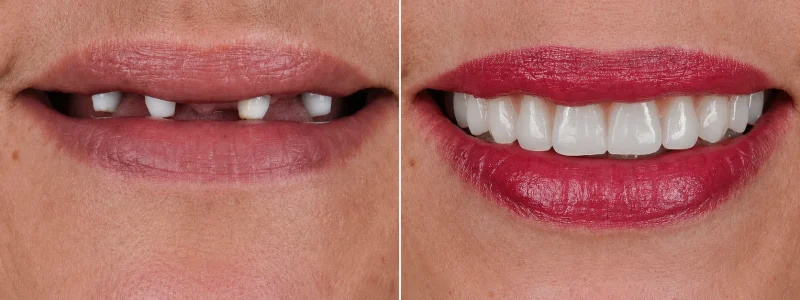
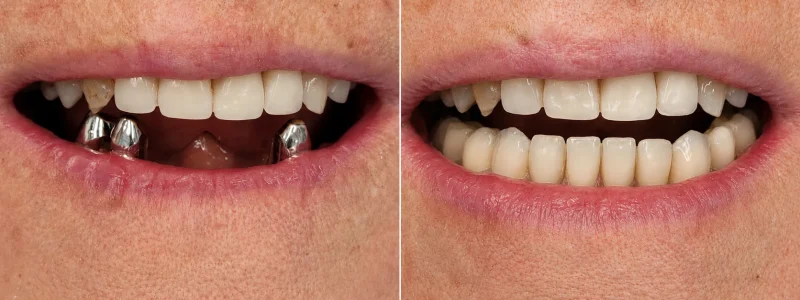
En La Clínica Dental México, los tratamientos de implantes dentales se planifican mediante diagnóstico digital 3D, tomografía CBCT y cirugía guiada por computadora para rehabilitar desde un solo diente hasta casos complejos de pérdida dental total con protocolos All-on-4 y rehabilitación oral completa.
En La Clínica Dental México contamos con especialistas en implantes dentales con los últimos estándares mundiales que evalúan tu caso de forma individual, analizan la cantidad y calidad de hueso y diseñan un plan a medida para reemplazar dientes perdidos con implantes de titanio que se integran al hueso y soportan coronas, puentes o prótesis. Los procedimientos son realizados por un equipo especializado —incluyendo Cirugía Maxilofacial— bajo estrictas normas de bioseguridad, buscando resultados duraderos, seguros y con una sensación masticatoria muy cercana a la de un diente natural.
Además, ofrecemos atención para turismo dental en CDMX, facilitando la planificación de tiempos y visitas para pacientes que viajan desde el extranjero. Agenda tu consulta para conocer tus opciones y recibir tu plan de tratamiento personalizado.
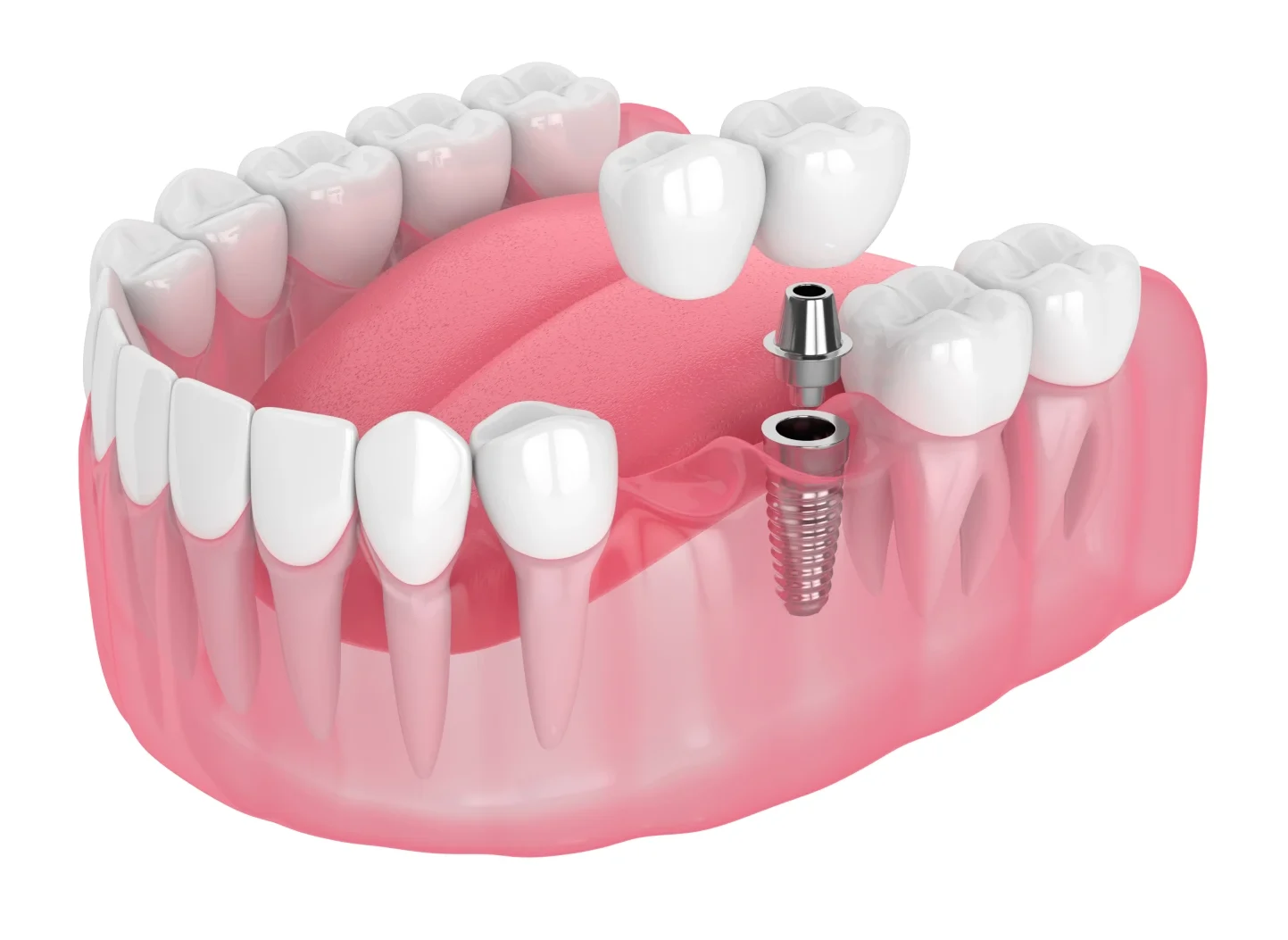
Los implantes dentales son tornillos de titanio que se colocan quirúrgicamente en los huesos maxilares, debajo de la encía, con la finalidad de recuperar dientes perdidos, o dar un soporte adicional a las prótesis removibles.
En La Clínica Dental contamos con los mejores especialistas en Implantes Dentales y en Cirugía Maxilofacial, para llevar a cabo cualquier cirugía de implantes, con las más altas normas de bio seguridad y los mejores materiales.
Con la ayuda de implantes dentales podemos apoyar: prótesis dentales, coronas, puentes, sobre dentaduras, prótesis faciales o hasta anclajes ortodónticos.
Comparativa:
| Opciones | Ventajas | Consideraciones |
|---|---|---|
| Prótesis removible | Menor inversión inicial | Menor estabilidad y comodidad |
| Implantes All-on-4, All-on-6 | Mayor estabilidad funcional | Requiere diagnóstico digital y cirugía |
| Implantes unitarios | Conservación individual | Depende del estado óseo |


La Clínica Dental se destaca por su enfoque en la odontología digital y tecnología de punta, lo que permite diagnósticos más precisos y tratamientos menos invasivos.
El precio de los implantes dentales puede variar según el caso clínico de cada paciente. Factores como la cantidad de dientes a reemplazar, el estado del hueso, la salud de las encías, el tipo de prótesis, la necesidad de injertos óseos o elevación de seno maxilar pueden modificar el costo final del tratamiento.
La siguiente tabla muestra precios de referencia para implantes dentales y procedimientos relacionados en La Clínica Dental. Estos valores ayudan a planificar tu tratamiento, pero no sustituyen una valoración profesional. Para recibir un presupuesto preciso, es necesario realizar un diagnóstico dental, revisar estudios de imagen y definir qué solución es la más adecuada para tu salud, función y estética.
| Procedimiento | Precio de referencia | Precio en La Clínica Dental | Duración estimada |
|---|---|---|---|
| Injerto óseo grande | USD 2,000 | USD 1,350 | 1 día |
| Injerto óseo pequeño | USD 1,500 | USD 1,300 | 1 día |
| Sobredentadura removible soportada por implantes, con 2 implantes | USD 6,900 | USD 5,900 | 1 día para cirugía; después de 4 a 5 meses, procedimiento protésico de 5 a 10 días |
| Sobredentadura removible soportada por implantes, con 4 implantes | USD 12,300 | USD 8,800 | 1 día para cirugía; después de 4 a 5 meses, procedimiento protésico de 5 a 10 días |
| Sobredentadura removible soportada por implantes, con 6 implantes | USD 17,700 | USD 10,850 | 1 día para cirugía; después de 4 a 5 meses, procedimiento protésico de 5 a 10 días |
| Sobredentadura removible soportada por implantes, con 8 implantes | USD 23,000 | USD 12,550 | 1 día para cirugía; después de 4 a 5 meses, procedimiento protésico de 5 a 10 días |
| Puente de porcelana de arcada completa soportado por implantes, con 4 implantes | USD 24,000 | USD 17,150 | 1 día para cirugía; después de 4 a 5 meses, procedimiento protésico de 5 a 10 días |
| Puente de porcelana de arcada completa soportado por implantes, con 6 implantes | USD 28,000 | USD 19,600 | 1 día para cirugía; después de 4 a 5 meses, procedimiento protésico de 5 a 10 días |
| Puente de porcelana de arcada completa soportado por implantes, con 8 implantes | USD 32,000 | USD 21,400 | 1 día para cirugía; después de 4 a 5 meses, procedimiento protésico de 5 a 10 días |
| Mini implante dental | USD 1,100 | USD 325 | 3 a 5 días |
| Elevación de seno maxilar | USD 4,000 | USD 1,770 | 3 días |
| Implante dental de titanio, incluyendo pilar y corona estándar | USD 3,900 | USD 2,200 | 1 día para cirugía; después de 4 a 5 meses, procedimiento protésico de 5 a 10 días |
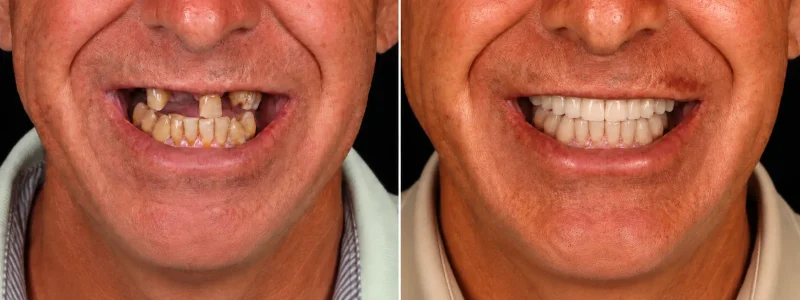

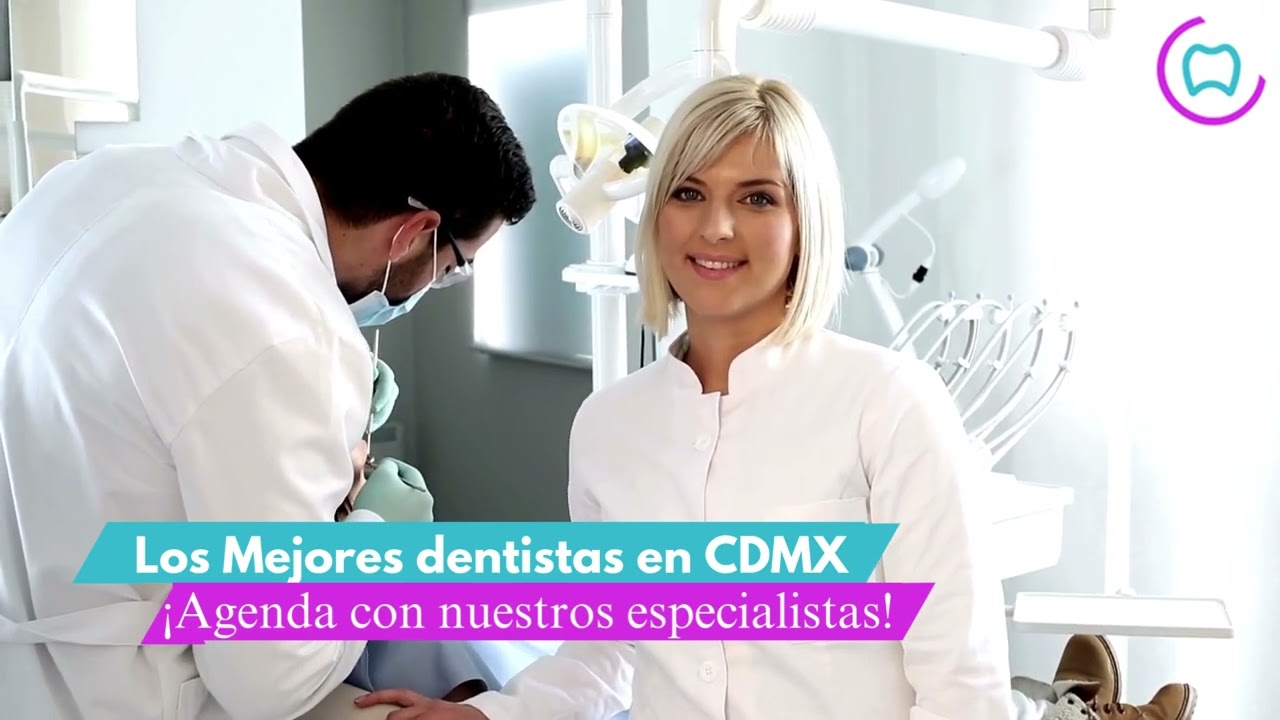

La mayoría de los pacientes adultos puede ser candidato(a), pero la indicación correcta se define con una valoración clínica y estudios. En esa cita revisamos el estado de encías, la cantidad y calidad de hueso, la mordida (oclusión) y hábitos que influyen en el éxito del implante.
Por ejemplo, si hoy no eres candidato(a), muchas veces sí podemos prepararte con un plan previo:
La decisión final siempre se toma con diagnóstico completo y objetivos claros (función, estética y estabilidad a largo plazo).
Los estudios dependen del caso, pero normalmente incluyen evaluación clínica y radiografías. En muchos pacientes se indica tomografía CBCT porque ofrece una vista 3D del hueso y de zonas anatómicas sensibles (nervios, senos maxilares), lo que permite planificar con mayor precisión.
En la práctica, el protocolo suele considerar:
Con estos datos se define la posición ideal del implante y el tipo de rehabilitación (corona, puente o arcada completa).
El tratamiento se organiza por etapas para que tengas claridad de tiempos, objetivos y entregables. Aunque cada caso es distinto, el flujo más común es:
La cantidad de citas varía según tu diagnóstico (hueso, encías, número de piezas a reemplazar, tipo de prótesis y hábitos como bruxismo).
No existe un único tiempo para todos. La duración depende de la complejidad del caso y de si se requiere preparación previa (por ejemplo, tratamiento periodontal o injertos). También influye si se trata de:
En tu valoración se arma un cronograma por etapas con tiempos estimados, número de visitas y alternativas según tus prioridades (función, estética y logística).
La CBCT (tomografía 3D) mejora la planificación porque permite ver el volumen óseo y la anatomía con más detalle que una radiografía 2D. Esto ayuda a tomar decisiones más seguras y predecibles, sobre todo en zonas posteriores o tratamientos extensos.
Con CBCT podemos:
En resumen: reduce incertidumbre, mejora la planificación y facilita decidir la mejor ruta clínica.
La cirugía guiada es una técnica que, apoyada en planificación digital (frecuentemente con CBCT), busca colocar el implante con alta precisión, alineando la parte quirúrgica con el resultado protésico (corona/prótesis).
Suele considerarse especialmente útil cuando:
La indicación depende de tu caso: no siempre es necesaria, pero puede aportar previsibilidad en tratamientos específicos.
La opción ideal depende de cuántos dientes falten, cómo está tu mordida y qué resultado buscas (funcional y estético). En general, se consideran estas alternativas:
En la valoración se revisa el estado de encías, hueso y hábitos, y se presenta un plan con etapas y alternativas.
All-on-4/All-on-X es un enfoque de rehabilitación de arcada completa (superior, inferior o ambas) con una prótesis soportada por implantes. Está pensado para pacientes con pérdida extensa de dientes o con prótesis removibles que ya no resultan cómodas o estables.
La indicación depende de:
En consulta se define si este enfoque es el más conveniente o si hay alternativas más adecuadas para tu caso.
El costo no depende solo del implante en sí, sino del plan completo: diagnóstico, cirugía, prótesis final y mantenimiento. Por eso, lo más correcto es cotizar después de evaluar tu caso.
Variables que influyen con mayor frecuencia:
Lo ideal es un presupuesto por etapas con opciones para que elijas la mejor relación de valor según tus prioridades.
Aceptamos diferentes formas de pago para que puedas elegir la opción más conveniente según tu caso y tu plan de tratamiento. Las formas disponibles pueden variar, pero normalmente incluyen:
En tu valoración te confirmamos las opciones vigentes y te ayudamos a organizar el pago por etapas (diagnóstico, cirugía y rehabilitación final).
En muchos casos es posible acceder a promociones con tarjeta (por ejemplo, meses sin intereses) o a opciones de financiamiento, dependiendo del tratamiento, el monto y las condiciones vigentes.
Para darte una respuesta exacta, primero definimos el plan clínico (número de implantes, tipo de prótesis, necesidad de injerto, etc.). Después te presentamos:
Así eliges la opción con mejor balance entre costo, valor y previsibilidad clínica.
Sí. De hecho, es la forma más común de organizar un tratamiento con implantes porque se trabaja por fases clínicas. Esto te permite planificar mejor tu inversión y avanzar con claridad.
Un esquema típico por etapas puede contemplar:
En tu consulta te entregamos un plan con costos por fase para que puedas decidir con transparencia.
Las diferencias suelen estar en el nivel de diagnóstico/planificación, la experiencia del equipo, los materiales y componentes protésicos, y el seguimiento. Un plan con buena planificación reduce retratamientos y mejora estabilidad.
Al comparar, conviene preguntar por:
Más que “precio”, el enfoque debe ser el valor total y la previsibilidad del resultado.
La colocación de implantes se realiza con anestesia local. Después del procedimiento es normal presentar molestias que suelen controlarse con las indicaciones postoperatorias, medicación si se requiere y seguimiento.
Si eres ansioso(a), coméntalo en tu valoración. Podemos adaptar la experiencia para que te sientas más cómodo(a), por ejemplo:
El objetivo es que tengas un proceso seguro, controlado y con acompañamiento.
Los cuidados postoperatorios influyen mucho en una buena cicatrización. Aunque las indicaciones exactas dependen del caso, normalmente se recomienda:
También es importante avisar si notas dolor intenso, inflamación que empeora o cualquier síntoma que te preocupe, para revisarte oportunamente.
No todos los pacientes requieren injerto. Si falta hueso, existen diferentes estrategias que se evalúan según la tomografía (CBCT), la zona y el tipo de rehabilitación.
Opciones que pueden considerarse (según el diagnóstico):
La decisión se toma con planificación 3D y objetivos funcionales/estéticos claros.
Con buena higiene, controles periódicos y mantenimiento profesional, los implantes pueden durar muchos años. El éxito a largo plazo depende de cuidar encías y la prótesis (corona/puente) igual o incluso más que un diente natural.
Recomendaciones habituales:
El mantenimiento es parte del tratamiento: protege tu inversión y reduce complicaciones.
Si ya cuentas con implantes, una revisión permite evaluar encías, hueso, estado de tornillos/componentes y el desgaste de la corona o prótesis. Muchas molestias o “movimientos” se deben a ajustes protésicos o mantenimiento pendiente.
En una revisión normalmente se evalúa:
Lo ideal es no esperar a que haya dolor o aflojamiento: el mantenimiento preventivo es la mejor estrategia.
Sí, en muchos casos puedes viajar a CDMX, realizar la valoración, estudios (como CBCT) y la colocación de implantes, y regresar a tu país en la misma semana. Lo más importante es planear correctamente los tiempos y el tipo de rehabilitación.
El tratamiento se organiza para:
En CDMX, lo más habitual y seguro es colocar el implante y, si el caso lo permite, usar una prótesis provisional (temporal) mientras ocurre la integración del implante al hueso (osteointegración). La corona definitiva se coloca después, cuando el implante está estable e integrado.
Por eso, si tu meta es viajar una semana, normalmente el plan recomendado es:
Esto reduce riesgos y mejora la previsibilidad del resultado a largo plazo.
La prótesis provisional es una restauración temporal diseñada para darte estética y función básica mientras el implante se integra al hueso. Es especialmente útil para pacientes que viajan y necesitan “salir con dientes” durante su estancia.
Su función principal es:
La provisional no sustituye a la definitiva: la corona final se coloca cuando existe integración y estabilidad.
La planificación inicia con una pre-evaluación y luego una valoración presencial en CDMX. El objetivo es optimizar tu agenda sin sacrificar seguridad clínica.
Normalmente consideramos:
Esto permite que el paciente extranjero tenga claridad de fechas, visitas y expectativas desde el inicio.
Para avanzar más rápido, lo ideal es enviar tu información dental disponible antes del viaje. Con eso se puede estimar la complejidad, tiempos y opciones.
Recomendamos enviar (si lo tienes):
Con esta información es más fácil definir si puedes salir con provisional y planificar el momento de la corona definitiva.
Depende del número de implantes, si se requiere injerto/regeneración y si planeamos una prótesis provisional. En general, buscamos optimizar tu agenda para concentrar valoración, estudios (CBCT si aplica) y cirugía en pocos días cuando es clínicamente viable.
Para planearlo con precisión, consideramos:
Con tu información previa (radiografía/CBCT) podemos sugerir un itinerario realista antes de que viajes.
La corona definitiva se coloca cuando el implante está integrado y estable. Si no puedes regresar pronto, podemos ayudarte a planificar la siguiente fase con suficiente anticipación para que el provisional te acompañe el tiempo indicado y para que el paso a la definitiva se haga en el momento adecuado.
En tu plan por etapas definimos:
El objetivo es mantener estabilidad y proteger el resultado hasta la fase final.
En muchos casos sí es posible viajar después del procedimiento, siempre que sigas las indicaciones postoperatorias y tengas un plan de seguimiento. Antes de tu salida revisamos la zona, confirmamos que todo evoluciona correctamente y te entregamos recomendaciones claras.
Para viajar con mayor tranquilidad, normalmente indicamos:
Cada paciente es distinto; por eso la indicación final depende de tu diagnóstico y del tipo de procedimiento realizado.
La primera valoración busca definir un diagnóstico completo y un plan realista por etapas, con tiempos y alternativas. Normalmente incluye exploración clínica y, según el caso, estudios de imagen como radiografías y/o CBCT.
En esa cita se revisa:
Con esto puedes tomar una decisión informada antes de iniciar.
La Clínica Dental es una Red Dental Premium en México que combina diagnóstico 3D, escaneo intraoral, cirugía guiada y especialistas multidisciplinarios para planear tratamientos más precisos, cómodos y predecibles en implantes, estética dental y rehabilitación oral.
Encuentra atención dental cerca de ti, con cobertura en distintas zonas de CDMX.

Flexibilidad de pagos, elige la alternativa que mejor se adapte a tu presupuesto y tratamiento.
Utilizamos tomografía 3D, escáner intraoral y planificación digital para diagnosticar con mayor precisión, reducir molestias y planear tratamientos más seguros y predecibles.

Nuestro equipo te acompaña con atención profesional, clara y humana en cada visita.
Llene el formulario a continuación, realiza tu consulta, como deseas ser contactado y nos pondremos en contacto con usted durante nuestras horas de trabajo.
 ¡Agenda tu cita!

