Published by Dr. Rosa Ma. Montezuma : December 16, 2025.
Last updated: 1 month ago by Dr. Rosa Ma. Montezuma
If you would like to straighten your teeth without visible brackets and with a treatment that better suits your routine, Invisalign (clear aligners) is one of the most sought-after invisible orthodontic options today.
Unlike traditional braces, Invisalign uses removable and almost imperceptible aligners that are progressively changed to move teeth into the planned position.
At La Clínica Dental, our focus is to achieve an esthetic, functional and stable result, with a customized plan according to your bite, the degree of alignment you need and your goals.
What is Invisalign?
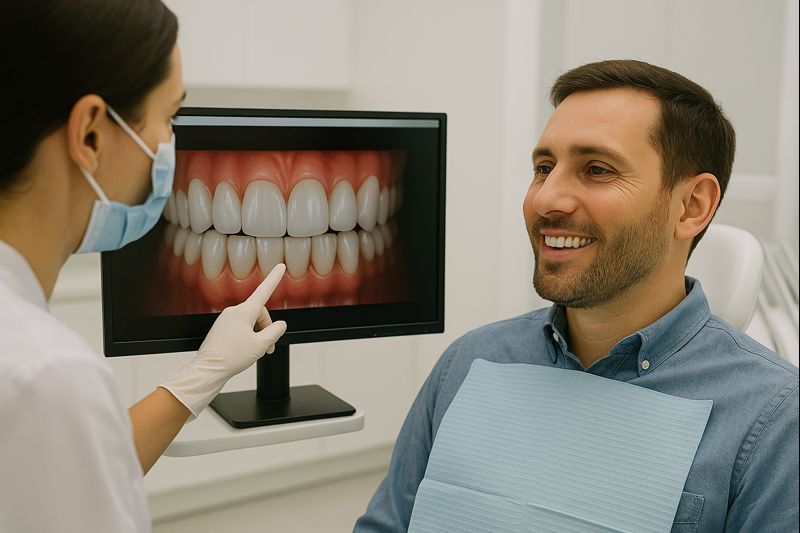
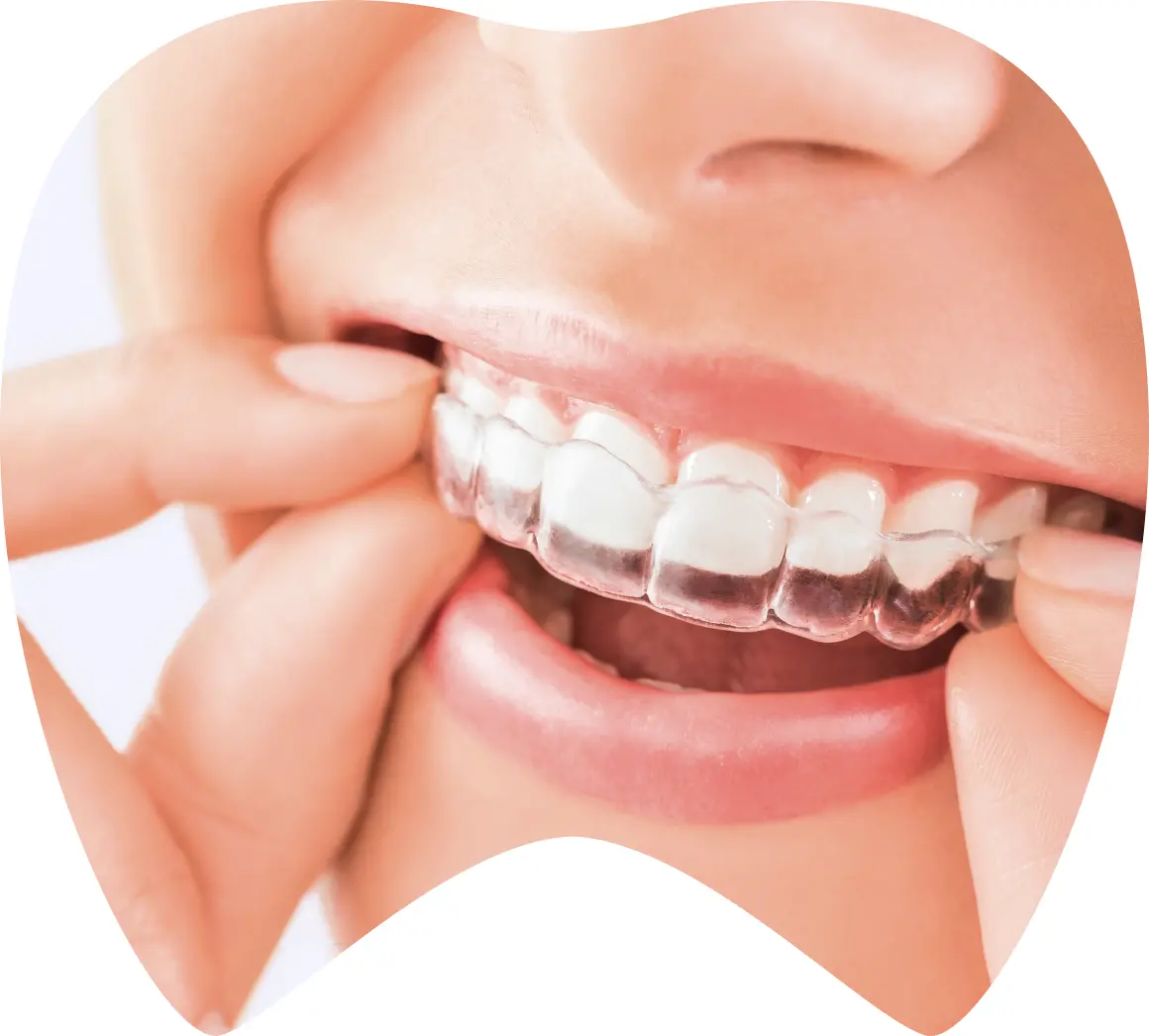
Invisalign is a system of custom-designed transparent orthodontic aligners. Each aligner applies controlled forces to gradually move the teeth. The orthodontic treatment is planned based on a clinical diagnosis and records (photographs, scans/impressions, and complementary studies when required).
In some cases, the specialist will place small tooth-colored attachments to improve control of movement, and may indicate elastics if necessary to correct the bite.
Appointment with specialistWhatsApp 
In which cases is Invisalign recommended?
Invisalign can be recommended for a variety of purposes, provided the case is evaluated by an orthodontist. Some common reasons:
- Crowding (overcrowded teeth).
- Separations or spaces between teeth (diastemas).
- Teeth with mild to moderate rotations.
- Bite adjustments (depending on the case): overbite, crossbite, open bite.
- Relapses after previous treatment with brackets (very common if no retainer was used).
Important: There are complex cases where Invisalign is viable, but requires advanced planning and excellent patient compliance. In others, the orthodontist may recommend braces or another alternative to achieve the best result.
Appointment with specialistWhatsApp 
Types of Invisalign treatment
The plan is defined according to the complexity and objective. Depending on the case, there may be modalities oriented to:
- Mild cases (small movements or aesthetic “touch-ups”).
- Moderate cases (alignment + simple bite adjustments).
- Complete cases (more extensive changes in alignment and bite).
- Adolescents (when applicable, with specific considerations).
At your assessment, the specialist will tell you which modality best fits your diagnosis and why.
Appointment with specialist
WhatsApp
What is the Invisalign procedure like at La Clínica Dental?
Although each patient has a different plan, the typical route is:
1) Assessment and diagnosis
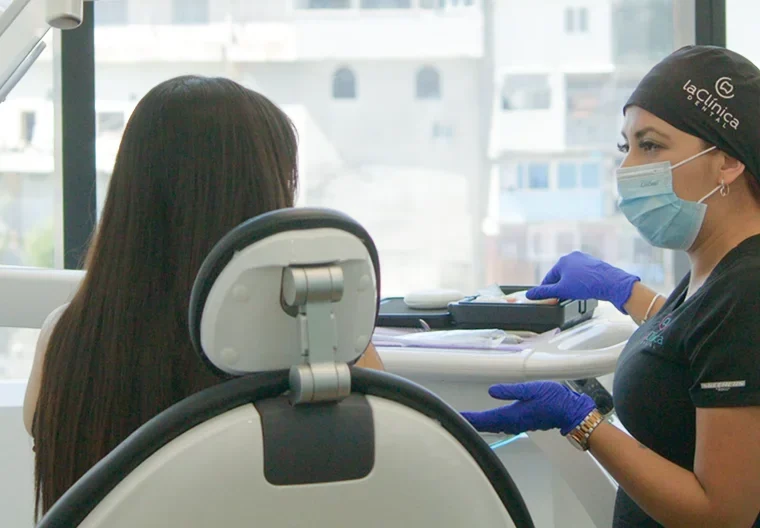
We check your oral health (cavities, gums, restorations), evaluate your bite and listen to your goal: esthetics, function or both. If there are cavities or gum inflammation, it is corrected first, because orthodontics must be done on a healthy mouth.
2) Records and planning
Records are taken (photographs, scans or impressions, and studies when required) to design a tooth movement plan. This defines:
- Estimated duration.
- Approximate number of aligners.
- Need for attachments, elastics or refinements.
3) Delivery of aligners and instructions
We deliver your aligners and explain them to you:
- How to place and remove them.
- What care to follow.
- How often to change the aligner (according to the plan).
4) Periodic controls
Check-ups are performed to verify progress, resolve doubts and adjust indications. Consistency in the controls helps to keep the treatment on track.
5) Completion and retention
Upon completion, a retention plan (retainers) is placed to maintain the result. This stage is key: without retention, teeth tend to move over time.
Appointment with specialistWhatsApp 
Advantages of Invisalign aligner treatment
The advantages most valued by patients tend to be:
- Aesthetics: Clear and discreet aligners.
- Comfort: no wires or brackets to chafe.
- Removable: you can remove them to eat and brush.
- Easier hygiene: makes it easier to keep teeth and gums clean.
- Flexible routine: ideal for those who work in front of the public or are looking for a more discreet option.
The key to success is constant use (it is generally indicated to wear them most of the day, removing them only to eat and clean teeth/aligners, as indicated by the specialist).
Appointment with specialist
WhatsApp
How long does an Invisalign treatment last?
It depends on the complexity of the case, your bite, goals and consistency of use. There are mild cases that resolve in less time, and others that require a longer plan. In your assessment we will give you a realistic estimate, including the refinement phase if necessary.
Care and recommendations during Invisalign
To achieve a good result and avoid mishaps:
- Care and recommendations during Invisalign
- To achieve a good result and avoid mishaps:
- Wear the aligners for the time indicated by your orthodontist.
- Remove them to eat (avoid eating with aligners in unless specifically instructed to do so).
- Brush and floss before replacing them.
- Clean the aligners with a gentle routine (no very hot water).
- Avoid sugary or pigmented drinks with aligners in place.
- Maintain your controls and report discomfort or damaged aligners.
Appointment with specialist
WhatsApp
Frequently asked questions about Invisalign
What are Clear Aligners?
Also called Invisalign, it is an orthodontic system with custom-designed clear dental aligners. Each aligner applies controlled forces to gradually move the teeth. Treatment is planned based on clinical diagnosis and records (photographs, scans/impressions and complementary studies when required).
In some cases, the specialist will place small tooth-colored attachments to improve control of movement, and may indicate elastics if necessary to correct the bite.
Does Invisalign hurt?
It is normal to feel pressure when changing aligners, especially the first few days. It is usually tolerable and decreases as you adapt.
Is Invisalign noticeable?
The aligners are clear and discreet, but may be slightly noticeable up close. If attachments are used, they may become more visible, although they are still much less noticeable than brackets.
Can I use Invisalign if I have cavities or gum problems?
Treatment may lengthen, lose accuracy or require additional adjustments. Invisalign is highly dependent on patient adherence.
Do my teeth eventually stay like this forever?
The result is maintained with retainers and revisions. Retention is part of the treatment, not an optional extra.
Also called Invisalign, it is an orthodontic system with custom-designed clear dental aligners. Each aligner applies controlled forces to gradually move the teeth. Treatment is planned based on clinical diagnosis and records (photographs, scans/impressions and complementary studies when required).
In some cases, the specialist will place small tooth-colored attachments to improve control of movement, and may indicate elastics if necessary to correct the bite.
It is normal to feel pressure when changing aligners, especially the first few days. It is usually tolerable and decreases as you adapt.
The aligners are clear and discreet, but may be slightly noticeable up close. If attachments are used, they may become more visible, although they are still much less noticeable than brackets.
Treatment may lengthen, lose accuracy or require additional adjustments. Invisalign is highly dependent on patient adherence.
The result is maintained with retainers and revisions. Retention is part of the treatment, not an optional extra.
Invisalign in CDMX: schedule your evaluation
If you are considering Invisalign and want to know if you are a candidate, the next step is an evaluation with our specialists. At La Clínica Dental we will review your case, resolve your doubts and propose a personalized plan to align your smile in an esthetic and functional way.
Appointment with specialist
WhatsApp
Pinterest
Instagram