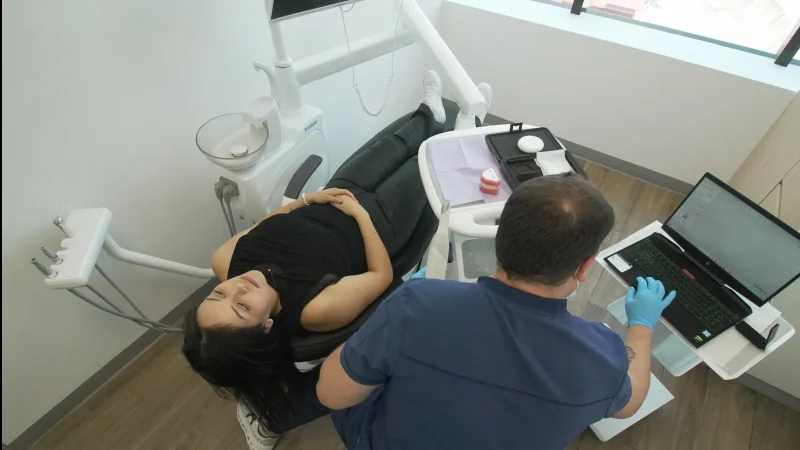
Complex cases in dentistry – such as significant bone loss, the need for grafting, All-on-4 treatments or elderly patients with multiple problems – require detailed evaluation, complementary studies and a phased plan. It is not just a matter of “putting in implants”, but of analyzing bone, gums, medical conditions and expectations, in order to achieve the most comfortable, stable and functional rehabilitation possible.
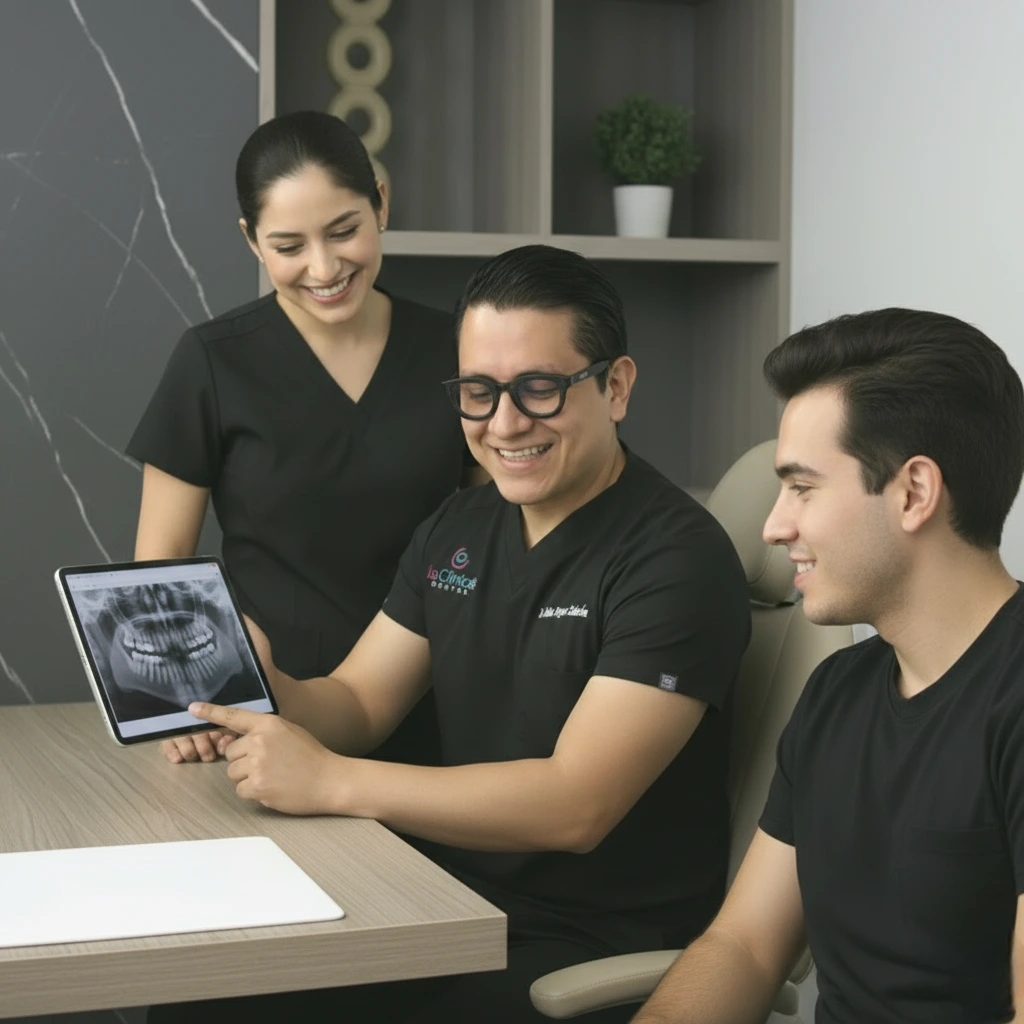
What is a “complex case” in dentistry?
A case is considered complex when several of these elements are combined:
-
Multiple teeth missing (partially or completely).
-
Significant bone loss due to periodontitis or time without teeth.
-
History of failed or complicated treatments.
-
Systemic diseases requiring precautions.
-
Older patient, with severe wear or unstable prostheses.
Complex does not mean “impossible”, but rather that it is necessary to plan more carefully.
Appointment with specialist
WhatsApp 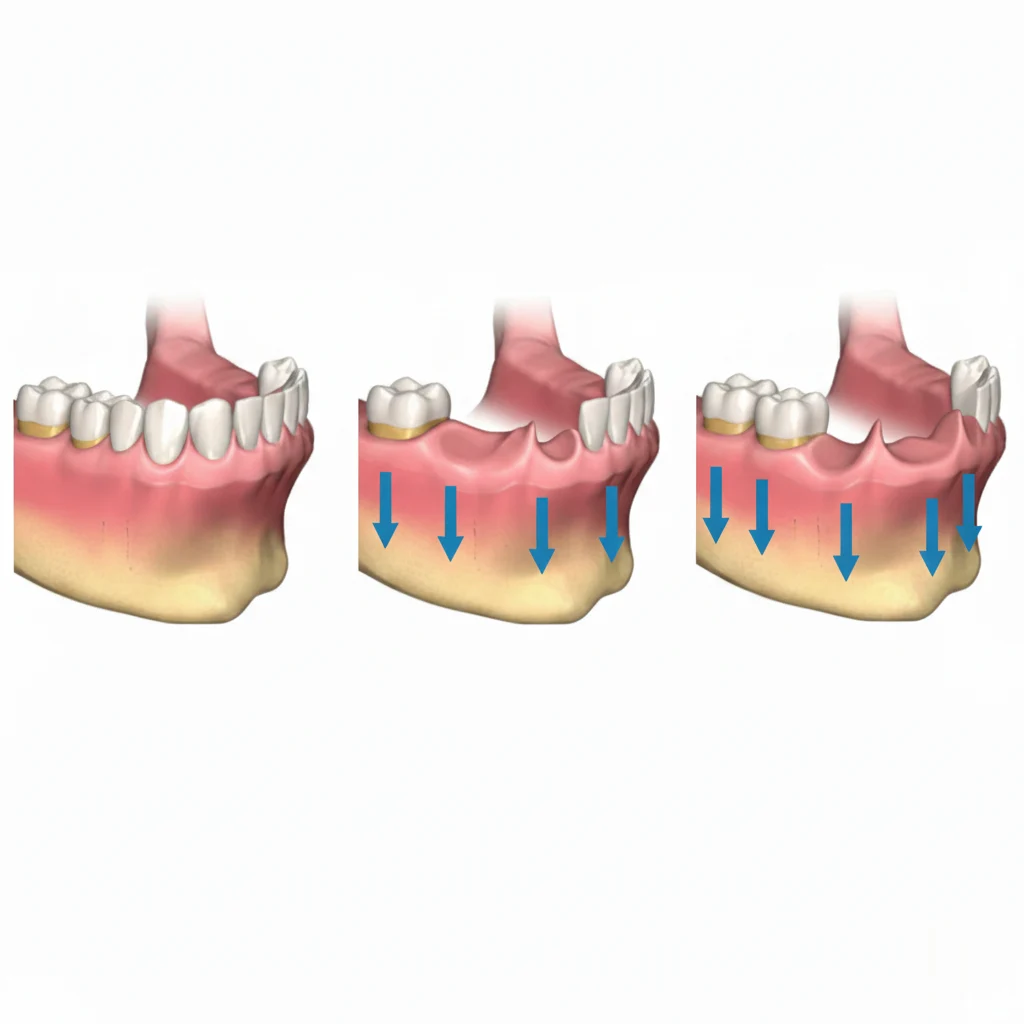
Bone loss: what does it mean and why does it matter?
When a tooth is lost and time passes, the alveolar bone may be resorbing. This affects:
-
Stability of future implants.
-
Aesthetics (lips and gums may look sunken).
-
The distribution of forces during chewing.
In these cases, it may be necessary to assess:
-
Bone grafts (autologous or bank).
-
Guided regeneration techniques.
-
Adjustments of position and number of implants.
Appointment with specialist
WhatsApp 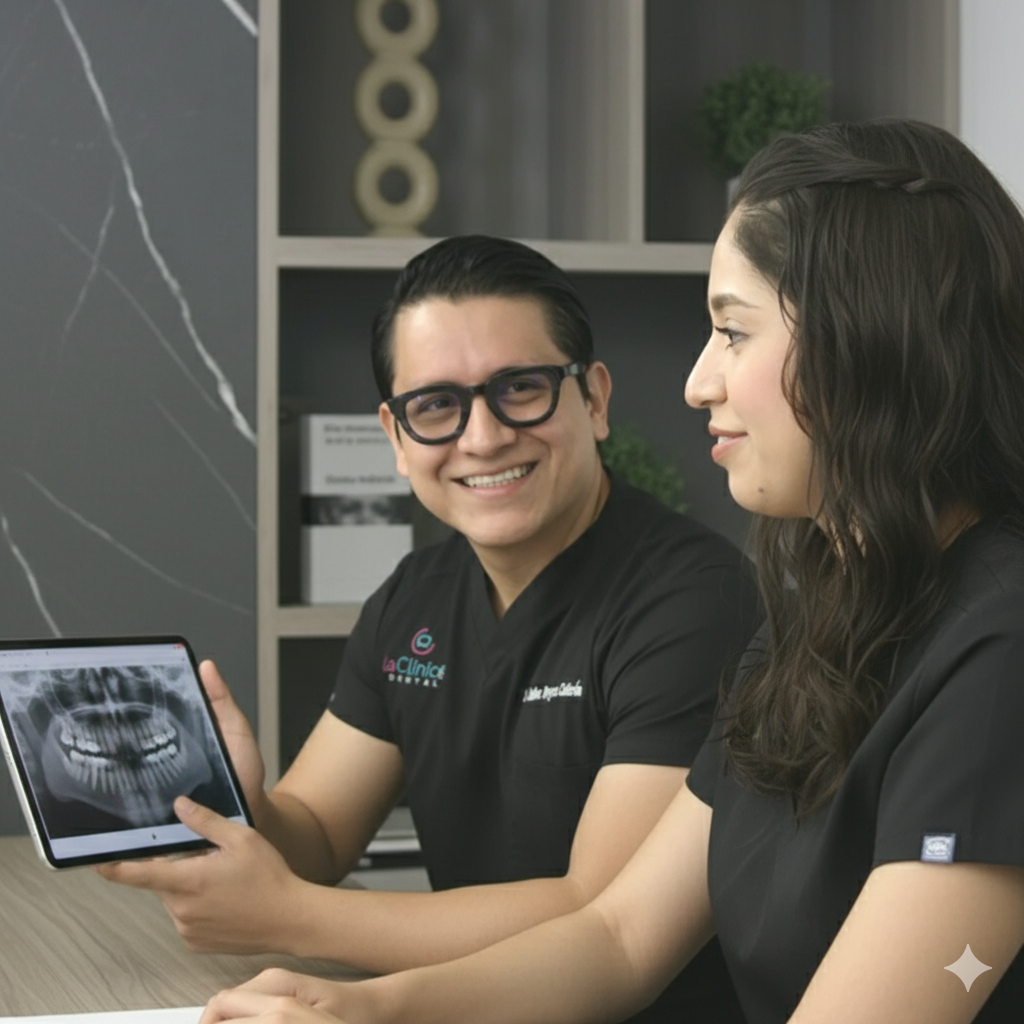
What is a dental bone graft?
A bone graft is a procedure whose objective is to recover bone volume to allow the proper placement of implants or to improve tissue support.
When is it considered?
-
When the bone is too thin or low.
-
After old extractions with high resorption.
-
In some cases of advanced periodontitis.
What to expect from grafting:
-
Evaluation with imaging studies (X-rays, often 3D tomography).
-
Surgical procedure with local anesthesia (sometimes sedation).
-
Healing time before implant placement (weeks or months, depending on the case).
The goal is to create a more stable and secure base for rehabilitation.
Appointment with specialist
WhatsApp
All-on-4: concept and reality
All-on-4 is a technique in which 4 strategically placed implants support a fixed prosthesis (usually for an entire dental arch).
Potential advantages:
-
Fewer implants to rehabilitate a complete arch.
-
May reduce need for grafting in some cases.
-
Possibility of placing a provisional fixed prosthesis relatively soon.
Not for everyone
To decide if someone is a candidate for All-on-4, they are evaluated:
-
Quantity and quality of remaining bone.
-
General health status (diabetes, smoking, medication, etc.).
-
Hygiene and maintenance expectations.
-
Condition of gums and soft tissues.
In some patients, other configurations (All-on-6, individual implants, removable prostheses on implants, etc.) may be recommended.
Appointment with specialistWhatsApp
Elderly patients: particularities and care
Older patients usually present:
-
Loss of several or all parts.
-
Old prostheses with poor adaptation.
-
Bone resorbed by years of use of removable prostheses.
-
Chronic diseases (hypertension, diabetes, medication).
Keys for a good treatment:
-
Complete medical history and communication with the treating physician when necessary.
-
Prioritization of function and comfort (chewing, speaking, cleaning) as well as esthetics.
-
Realistic options: implants when they are feasible, improved prostheses or other solutions when they are not.
-
Clear and easy to follow maintenance plans.
Appointment with specialistWhatsApp
Typical process in a complex case
1) Advanced valuation
-
Detailed medical history.
-
Examination of teeth, gums and bite.
-
Revision of prosthesis or previous work.
2) Imaging studies
-
X-rays.
-
3D tomography when planning implants or grafts.
3) Phased treatment plan
-
Infection and gum control.
-
Necessary extractions and cleaning of infection sources.
-
Grafts, sinus lifts or complementary surgeries if required.
-
Implant placement.
-
Prosthetic phase (fixed or removable prosthesis on implants, crowns, etc.).
4) Long-term maintenance
-
Periodic reviews.
-
Professional cleaning.
-
Evaluation of gums around implants.
-
Prosthesis adjustments if necessary.
Appointment with specialistWhatsApp 
What to expect as a patient
-
Clear explanation of the plan: what will be done, in what order and why.
-
Approximate times for each phase (and what can modify them).
-
Honest information about treatment alternatives (not just one option).
-
Budget broken down by stages.
-
Close accompaniment and follow-up, especially after surgeries.
Frequently asked questions about complex cases
What is considered a complex dental case?
A complex case is one in which several problems are combined: significant bone loss, many missing teeth, unstable prostheses, advanced periodontal disease, history of failed treatments or medical conditions that require special precautions.
What is All-on-4 and in which cases is it used?
All-on-4 is a rehabilitation technique in which four strategically placed implants support a full-arch fixed prosthesis. It is usually indicated in patients with many missing teeth or unstable removable prostheses, provided that studies show that they are candidates.
What kind of maintenance do implants and prostheses require in complex patients?
They require periodic check-ups, professional cleanings, gum control around the implants and, if necessary, adjustments of the prosthesis. Maintenance is key to the long-term duration of treatment.
What studies are needed to plan a complex case?
In addition to the clinical examination, X-rays and, in many cases, a 3D tomography are usually necessary. These studies make it possible to measure the available bone, plan the position of implants and assess the need for grafts.
Is a treatment with grafts and implants very painful?
The goal is that it is not. Procedures are performed under local anesthesia and, when indicated, with additional comfort control techniques. After surgery there may be swelling or discomfort, but this is managed with medication and follow-up.
Can older patients receive dental implants or All-on-4?
In many cases yes. Age alone is not a contraindication; what is important is to evaluate the general state of health, medication, available bone and the ability to maintain good hygiene and attend check-ups.
Do I always need bone grafting if I have a small amount of bone?
Not always. It depends on how much bone there is, its quality and the implant technique chosen. In some cases grafts are recommended; in others, the plan can be adapted (e.g., with All-on-4 configurations) without extensive grafting.
How long can a treatment with grafts and implants in complex cases last?
The time varies according to the number of procedures and the need for healing. It can range from several months to more than a year, considering grafting phases, implant integration and placement of definitive prosthesis.
A complex case is one in which several problems are combined: significant bone loss, many missing teeth, unstable prostheses, advanced periodontal disease, history of failed treatments or medical conditions that require special precautions.
All-on-4 is a rehabilitation technique in which four strategically placed implants support a full-arch fixed prosthesis. It is usually indicated in patients with many missing teeth or unstable removable prostheses, provided that studies show that they are candidates.
They require periodic check-ups, professional cleanings, gum control around the implants and, if necessary, adjustments of the prosthesis. Maintenance is key to the long-term duration of treatment.
In addition to the clinical examination, X-rays and, in many cases, a 3D tomography are usually necessary. These studies make it possible to measure the available bone, plan the position of implants and assess the need for grafts.
The goal is that it is not. Procedures are performed under local anesthesia and, when indicated, with additional comfort control techniques. After surgery there may be swelling or discomfort, but this is managed with medication and follow-up.
In many cases yes. Age alone is not a contraindication; what is important is to evaluate the general state of health, medication, available bone and the ability to maintain good hygiene and attend check-ups.
Not always. It depends on how much bone there is, its quality and the implant technique chosen. In some cases grafts are recommended; in others, the plan can be adapted (e.g., with All-on-4 configurations) without extensive grafting.
The time varies according to the number of procedures and the need for healing. It can range from several months to more than a year, considering grafting phases, implant integration and placement of definitive prosthesis.
Schedule your assessment (CDMX) and receive a clear step-by-step plan.
Whether you are looking for a complete rehabilitation, comprehensive dental treatment or a total smile makeover in CDMX, the first step is a professional assessment to define priorities and build a phased plan with realistic expectations.
The Dental Clinic, See treatments.
Appointment with specialist
WhatsApp